For global buyers, choosing products that support safe Drink Water habits requires more than attractive packaging. The 2026 market includes insulated bottles, countertop dispensers, filtration pitchers, hydration stations, and connected accessories. Each category serves different settings, from a factory floor to a hotel lobby. A reliable buying decision begins with verified materials, clear specifications, and evidence from real use. Look for food-contact documentation, leak testing, thermal performance data, and replacement-filter availability. Independent laboratory results can reveal issues that product photos hide.
Small details matter. A bottle cap that traps residue may create daily cleaning problems. A dispenser with limited service support can become expensive after installation. This guide examines the 2026 best Drink Water products through practical and professional criteria. We consider taste, durability, energy use, maintenance, accessibility, and total ownership cost. Regional conditions also matter. Voltage, water quality, language support, import documentation, and climate can change product performance. Buyers should compare supplier experience, warranty terms, audit records, and transparent after-sales procedures. Claims about “eco-friendly” design deserve careful review, especially when filters and batteries require disposal. Some recommendations will remain imperfect. No product fits every household, workplace, or distribution channel. Even strong testing cannot predict every user’s habits. That limitation is worth stating clearly. The goal is not to promote the newest device, but to identify dependable choices with measurable value. With disciplined comparison, global purchasers can reduce risk and make hydration safer, simpler, and more practical.
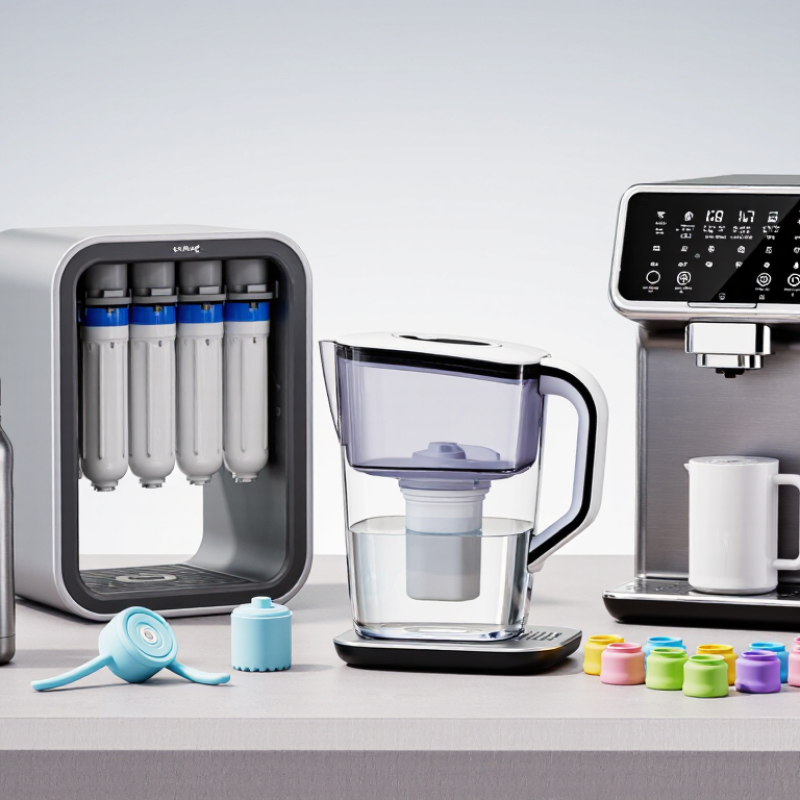
Drink water products are goods designed to provide, store, filter, dispense, or transport drinking water. The category includes bottled water, reusable bottles, water jugs, filtration pitchers, countertop dispensers, and plumbed hydration stations. It is broader than packaged water alone. That distinction matters.
For global buyers, product purpose should guide the selection. A stainless steel bottle may suit offices, schools, or outdoor workers. A filtration unit may support homes, hotels, and small workplaces. Dispensers can provide chilled or heated water, but they also require electricity, cleaning, and replacement parts. Practical experience shows that maintenance is often overlooked. A low purchase price can become expensive when filters are difficult to source.
Reliable evaluation requires more than attractive packaging. Buyers should request material specifications, laboratory test reports, filtration performance data, and instructions in suitable languages. Food-contact materials should meet the requirements of the target market. Capacity, leakage resistance, temperature range, shelf life, and shipping protection also deserve attention. Check the water source assumptions. A filter designed for municipal water may not suit untreated well water.
The term “drink water products” is not perfectly defined across regions. Some suppliers use it for equipment, while others mean packaged water or containers. Buyers should confirm technical terms before ordering. Small details matter, such as a bottle cap that opens easily or a dispenser tray that can be removed without tools. No single format works everywhere. Even experienced purchasing teams can miss local recycling rules or after-sales support needs.
Drink water products include packaged water, reusable hydration containers, filtration systems, and water dispensers. The chart compares representative water-holding capacities commonly used across these product formats.
Capacities are representative standard sizes: single-serve bottled water is commonly sold in 0.5 L formats, large household bottles often use 5 L or 18.9 L formats, reusable bottles commonly range from 0.75–1 L, filtration pitchers are typically around 2–3 L, and countertop dispensers commonly hold approximately 20 L.
2026 Best Drink Water Products for Global Buyers
Key Types of Drink Water Products in 2026
Drink water products now cover several practical categories. Reusable bottles suit offices, schools, travel, and outdoor work. They may use stainless steel, glass, or food-grade plastic. Insulated models help maintain temperature during long commutes. Simple bottles remain easier to clean and repair. That matters in regions with limited replacement access.
Filtered pitchers and countertop dispensers support homes with inconsistent taste or odor. Under-sink systems provide higher daily capacity, while portable filter bottles serve travelers and field workers. Buyers should check filter life, flow rate, replacement availability, and tested contaminant claims. A filter is not a universal solution. It cannot correct every water problem.
Refill stations and point-of-use coolers fit workplaces, hotels, clinics, and public facilities. Some include touchless dispensing, cooling, heating, or usage monitoring. These features sound useful, but maintenance can become expensive. Product documents should show material safety, electrical compliance, cleaning instructions, and independent test results. Regional voltage, transport conditions, and local water quality also affect purchasing decisions.
The best choice depends on actual use, not appearance. Global buyers should compare total ownership costs, spare-part access, packaging waste, and service support. A low purchase price may hide frequent filter changes. That is an easy detail to miss. Product evaluations should remain evidence-based, while leaving room to question whether every “smart” feature improves daily hydration.
Global buyers should compare drinking-water products through materials, design, and measured performance.
A low price can hide weak seals, poor insulation, or difficult cleaning. Stainless steel usually offers strength and odor resistance. Glass provides a clean taste but needs protective housing. Food-grade plastics reduce weight, yet buyers should check migration testing, temperature limits, and recycled-content claims. Silicone parts also need clear food-contact documentation.
Design affects daily use more than catalog photos suggest.
A wide opening helps users add ice and clean inner walls. A secure lid should resist leakage during transport, even when the bottle lies sideways. Threads must feel smooth and remain stable after repeated opening. For dispensers, examine tap clearance, drainage control, and the effort required to replace filters. Small details matter.
Performance needs evidence from practical testing.
Request results for leak cycles, drop resistance, thermal retention, odor transfer, and dishwasher exposure. Test samples with cold water, warm water, and ordinary carrying conditions. One laboratory result is not the whole story.
A bottle may retain heat well but become uncomfortable to hold. A filter may improve taste but slow water flow. I have seen attractive designs fail because the gasket collected residue in a narrow groove. That weakness is easy to miss.
Buyers should review inspection records, supplier experience, material certificates, and independent test methods before approving large orders. Clear instructions and replaceable components can also reduce service problems across different markets.
2026 Best Drink Water Products for Global Buyers
Safety now begins with verified materials, not attractive packaging. The WHO Guidelines for Drinking-water Quality recommend risk-based controls from source to consumer. The 2023 WHO/UNICEF Joint Monitoring Programme reported that 2.2 billion people lacked safely managed drinking water in 2022. This gap increases demand for reliable bottles, dispensers, filters, and refill systems. Buyers should request migration tests, heavy-metal results, microbial controls, and batch traceability. Clear records matter.
Sustainability requires measurable evidence. UNEP’s 2023 Turning off the Tap report found that plastic pollution could fall by 80% by 2040 through reuse, recycling, and better product design. Choose durable products with replaceable parts and documented recycled content. Check whether components can be separated easily. A recycled claim may still hide difficult-to-recycle seals, coatings, or mixed materials. That detail is often missed.
Global compliance is rarely one certificate. Food-contact rules, chemical restrictions, labeling duties, and electrical requirements can differ by destination. ISO 22000-based systems may strengthen supplier controls, but they do not replace local approval. Ask for recent laboratory reports, conformity declarations, factory audits, and transport testing. Keep documents digitally accessible. No checklist is perfect. Product performance can change after heat, sunlight, or repeated washing. Experienced buyers should test real use conditions, not only polished samples.
| Product Category | Typical Materials | Common Capacity | Safety Priorities | Sustainability Profile | Relevant Global Compliance References | Buyer Verification Checklist |
|---|---|---|---|---|---|---|
| Reusable Stainless-Steel Water Bottles | Food-contact stainless steel, commonly grades 304 or 316; polypropylene or silicone components may be used in lids and seals. | 350–1,500 mL | Check food-contact suitability, corrosion resistance, weld quality, seal performance, and migration from lid components. | Durable and widely reusable; recyclable as metal at end of life where collection systems exist. Avoid unnecessary coatings that complicate recycling. | EU Regulation (EC) No. 1935/2004; EU GMP Regulation (EC) No. 2023/2006; applicable FDA food-contact requirements; REACH where relevant. | Material declaration, food-contact test report, heavy-metal testing, leakage test, and documented cleaning instructions. |
| Insulated Double-Wall Bottles | Stainless-steel inner and outer walls; polymer or silicone lid parts; vacuum-insulated construction. | 350–1,200 mL | Verify vacuum integrity, pressure and temperature performance, lid sealing, and safe use instructions for hot beverages. | Long service life can reduce dependence on single-use containers; mixed-material lids may require separate end-of-life handling. | EU food-contact framework; applicable national food-contact rules; applicable FDA regulations; REACH for substances of concern. | Thermal-performance test, leak test, component material list, user warnings, and packaging recycling information. |
| Reusable Glass Water Bottles | Soda-lime glass or borosilicate glass, with silicone sleeves and polymer or metal closures. | 350–1,000 mL | Assess thermal-shock resistance, impact protection, edge finishing, closure safety, and suitability for hot or cold liquids. | Glass is inert and recyclable in many systems; breakage risk can increase product loss and transport packaging needs. | EU Regulation (EC) No. 1935/2004; applicable national glass food-contact requirements; relevant FDA food-contact provisions. | Thermal-shock test, impact or drop test, lead and cadmium testing where applicable, seal migration data, and care instructions. |
| Reusable Tritan-Type Copolyester Bottles | BPA-free copolyester body, usually combined with polypropylene, polyethylene, or silicone closure parts. | 500–2,000 mL | Confirm the exact resin composition, food-contact migration performance, odor retention, heat-use limits, and dishwasher guidance. | Lightweight and reusable; generally less material-intensive in transport than glass, but recycling depends on local resin identification and collection. | EU Regulation (EU) No. 10/2011 for plastic food-contact materials; EU Regulation (EC) No. 1935/2004; applicable FDA requirements. | Specific resin identification, EU or destination-market migration report, BPA and restricted-substance declarations, and temperature limits. |
| Collapsible Silicone Water Bottles | Food-contact silicone body with polypropylene, polyethylene, or stainless-steel closure components. | 450–750 mL | Verify silicone grade, extractables and leachables, odor, compression recovery, seal quality, and hot-liquid limitations. | Low storage volume can reduce transport space; recycling routes for silicone are less widely available than those for common metals or plastics. | EU Regulation (EC) No. 1935/2004; applicable national silicone food-contact requirements; applicable FDA food-contact provisions. | Silicone composition declaration, migration testing, repeated-use testing, compression and leakage tests, and care instructions. |
| Filtered Water Bottles | Food-contact plastic, stainless steel, or glass body with activated carbon, ion-exchange, membrane, or combination filter media. | 400–750 mL | Do not assume pathogen removal; confirm contaminant claims, flow rate, filter life, replacement control, and microbiological safety instructions. | May reduce consumption of packaged water when used with safe source water; spent cartridges and mixed media require responsible disposal. | NSF/ANSI 42 for aesthetic effects and NSF/ANSI 53 for specific health-effect claims where certification applies; local drinking-water and food-contact rules. | Independent performance certification, contaminant-specific test results, replacement schedule, microbiological instructions, and claim substantiation. |
| UV-C Self-Sanitizing Bottles | Stainless steel, glass, or plastic bottle with an electronic lid containing a UV-C light source and rechargeable battery. | 400–750 mL | Validate UV dose, exposure time, shielding, interlock design, water clarity limitations, battery safety, and absence of direct eye or skin exposure. | Can reduce consumable treatment materials; electronic parts and rechargeable batteries require controlled collection and recycling. | IEC 62471 for photobiological safety assessment; applicable electrical safety, EMC, battery, RoHS, and WEEE requirements by market. | UV performance report, electrical and EMC test reports, battery transport documentation, IP rating where claimed, and clear user warnings. |
| Water Dispenser and Filtration Units | Food-contact polymers, stainless steel, tubing, activated carbon, membrane filters, and electronic components. | 2–15 L reservoir or point-of-use configuration | Control microbial growth, verify filter replacement, prevent backflow, assess electrical safety, and provide sanitation procedures. | Can reduce single-use bottle demand in offices and hospitality settings; energy use, filter waste, and maintenance are key lifecycle factors. | NSF/ANSI 42, 53, 58, or 401 as applicable to the verified claim; IEC electrical standards; local drinking-water and food-contact requirements. | Performance certification, water-contact material documentation, electrical safety reports, sanitation plan, spare-parts availability, and service records. |
| Single-Use Recycled-PET Water Bottles | Polyethylene terephthalate bottle, polymer cap, and paper or polymer label; recycled content depends on local regulatory approval and supply. | 250–2,000 mL | Confirm food-contact recycled content, contamination controls, seal integrity, storage conditions, and accurate disposal labeling. | PET is technically recyclable in many markets; environmental performance depends on collection, sorting, recycling rates, and recycled-content share. | EU Regulation (EU) 2022/1616 for recycled plastic materials intended for food contact; EU food-contact framework; applicable FDA requirements. | Recycled-content documentation, food-contact authorization, packaging-waste labeling, migration testing, and destination-market recycling requirements. |
Note: Capacity ranges and material combinations are typical market specifications, not a certification of any individual product. Compliance requirements vary by destination market, intended use, claims, and product configuration.
Global buyers should start with water conditions, not product appearance. The 2023 WHO/UNICEF Joint Monitoring Programme reported that 2.2 billion people lacked safely managed drinking water in 2022. This gap makes source testing essential before selecting filters, dispensers, purification units, or storage products. Check turbidity, microbial risks, chemical contaminants, pressure, and seasonal changes. A product suited to treated urban water may fail in a rural supply chain.
Performance claims need independent verification. Review reduction data, rated capacity, flow rate, replacement intervals, and testing standards. Products aligned with recognized drinking-water safety requirements offer stronger purchasing confidence. Also examine cleaning access, spare-part availability, power requirements, and instructions in the destination language. Small details matter. A powerful unit is not useful when replacement cartridges arrive six months late.
Sustainability should be measured beyond packaging. The OECD’s Global Plastics Outlook reported 353 million tonnes of plastic waste worldwide in 2019, with packaging among the largest sources. Prefer durable materials, recyclable components, repairable designs, and realistic refill systems. However, “eco-friendly” claims can be vague. Ask for lifecycle evidence and disposal guidance. My practical concern is simple: buyers may overvalue smart features while ignoring local maintenance skills. There is no perfect product. A slightly simpler system may deliver safer water for longer.