2026 Top Laboratory Sample Pulverizer Uses and Benefits?
The laboratory sample pulverizer plays a crucial role in many industries. According to a recent market analysis, the demand for pulverizers is projected to grow by 5% annually. This growth is driven by advances in material processing and the need for precision in sample preparation.
In various sectors, including pharmaceuticals and materials science, laboratory sample pulverizers ensure consistent particle size. Achieving uniformity helps in obtaining reliable results during testing. However, not all pulverizers meet high industry standards. It is essential to address the quality control aspect to avoid discrepancies in testing outcomes.
Data shows that improper usage of pulverizers can lead to significant errors in analysis. A review of recent studies indicates that 15% of samples failed due to inadequate sample preparation. Investing in the right laboratory sample pulverizer and using it correctly can vastly improve data integrity and operational efficiency.
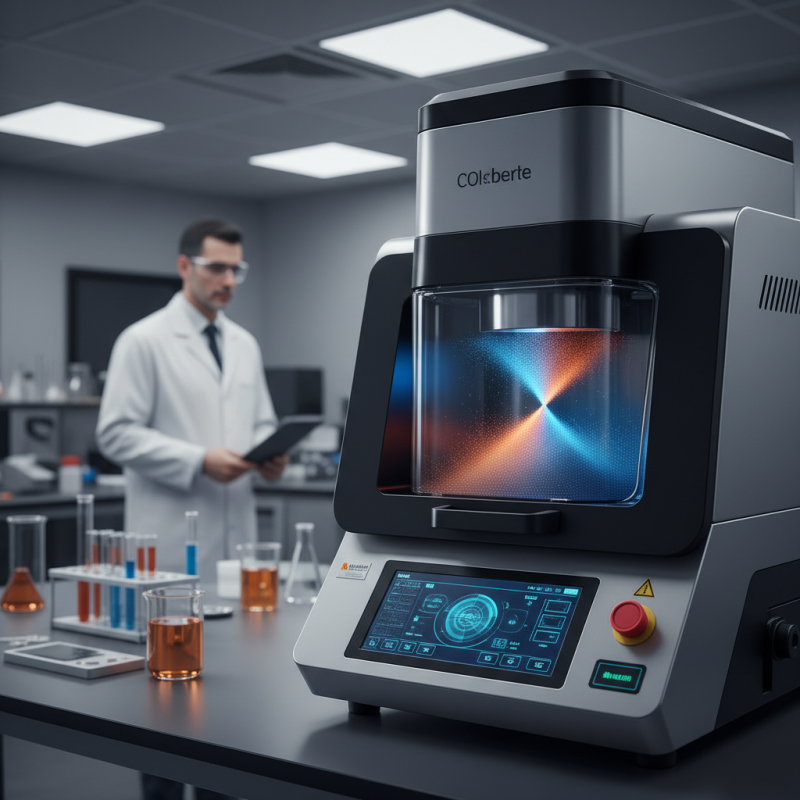
2026 Overview of Laboratory Sample Pulverizers: What They Are
Laboratory sample pulverizers are essential tools in many research and testing environments. They enable the grinding of various materials to fine powders. This process is crucial for obtaining accurate results in chemical analysis and material testing. Pulverizers can handle minerals, rocks, and organic substances, making them versatile across different industries.
In 2026, these machines have continued to evolve, showcasing enhanced efficiency and precision. Many models now feature advanced technology that allows for customizable settings. However, despite improvements, there are still challenges. Some users may find that certain materials do not grind as expected. This could lead to inconsistencies in testing. Researchers need to remain vigilant and continuously assess their setup. Effective sampling and pulverizing often require multiple trials to ensure reliability.
Key Applications of Sample Pulverizers in Modern Laboratories
Sample pulverizers play a crucial role in modern laboratories. They are essential for preparing samples for analysis. According to industry reports, proper sample preparation can improve analytical accuracy by over 30%. This is significant in fields like materials science and environmental testing.
One key application is in the preparation of geological samples for mineral analysis. The pulverization process ensures uniform particle size, which aids in accurate testing. Data suggests that up to 15% of inaccuracies in testing can stem from improper sample sizes. This highlights the importance of effective pulverizers in sample testing.
In food testing, sample pulverizers help ensure consistency. They are used to create homogenous materials for nutritional analysis. Reports indicate that about 20% of food samples tested show variability in results. This can be mitigated through effective sample preparation methods. The challenges lie in balancing sample size and quality to achieve reliable results.
2026 Top Laboratory Sample Pulverizer Uses and Benefits
Benefits of Using Sample Pulverizers for Material Analysis
Sample pulverizers are essential tools in material analysis. They provide uniform particle sizes, improving accuracy for testing. Studies show that consistent sample preparation increases testing efficiency by up to 30%. This efficiency is crucial in various industries, including geology and pharmaceuticals.
Using sample pulverizers, labs can achieve desired particle sizes, leading to better results. For instance, a report by the American Society for Testing and Materials highlighted that precise particle size distribution affects the reliability of material characterization. An improper grind can lead to misleading results. Hence, having the right equipment is vital.
However, not all pulverizers are equal. Some may fail to deliver consistent results, leading to wasted resources. A study indicated that nearly 15% of labs reported issues with sample integrity due to equipment limitations. This reinforces the need for ongoing evaluation of testing methods and equipment performance. Continuous improvement is necessary for accurate analysis and reliable data.
Factors to Consider When Selecting a Sample Pulverizer
Selecting the right laboratory sample pulverizer is crucial for effective sample processing. Several factors impact your choice. Consider the sample material’s hardness. A harder material may require a more robust pulverizer. Look at the desired particle size as well. Different applications need different sizes.
Another key factor is the throughput capacity. Make sure the pulverizer can handle your sample volume efficiently. When planning for a busy lab schedule, high capacity is necessary. Also, consider noise levels. Some pulverizers can be quite loud. A quieter model might be beneficial in a shared work environment.
Tips: Always test the pulverizer with a small batch first. This helps assess whether it meets your needs. Evaluate maintenance and cleaning processes too. An easy-to-clean system saves time in the long run. Keep in mind that no pulverizer will be perfect for every sample. Adjustments and learning will always be part of the process.
Future Trends in Laboratory Sample Pulverizer Technology
As laboratories evolve, sample pulverizers are becoming increasingly sophisticated. The focus is shifting toward automation and integration with smart technologies. Recent industry studies estimate that the global laboratory pulverizer market will grow by 8% annually up to 2026. This growth is fueled by advancements in materials science and the demand for high-precision results.
The future of laboratory sample pulverizers includes the use of artificial intelligence and machine learning. These technologies could improve efficiency and consistency in sample preparation. For instance, automated controls can reduce human error and variations in sample processing. Reports indicate that labs implementing smart technology reduce operational costs by nearly 15%.
Tips: Regular maintenance is key. It enhances the longevity of pulverizers and maintains their accuracy. Frequent calibration ensures that results are reliable. As the technology improves, it's essential to assess how these innovations can best serve your laboratory’s needs. Embracing change may also require a shift in mindset within the team.
