Top 10 Benefits of Plastic Injection Molding Process for Buyers?
The plastic injection molding process is a transformative method in manufacturing. It allows for the creation of complex shapes with high precision. This versatility can lead to significant cost savings for buyers.
Many industries rely on this process to produce high-quality parts rapidly. From automotive to consumer goods, it serves various needs. However, some may overlook the importance of selecting a reliable manufacturer. Poor choices can result in subpar products that fail to meet standards.
Understanding the top benefits of this process can help buyers make informed decisions. The efficiency and scalability of plastic injection molding are undeniable. Yet, each advantage comes with considerations that require careful evaluation. Balancing cost with quality is essential in this competitive market.
Overview of Plastic Injection Molding Process and Its Applications
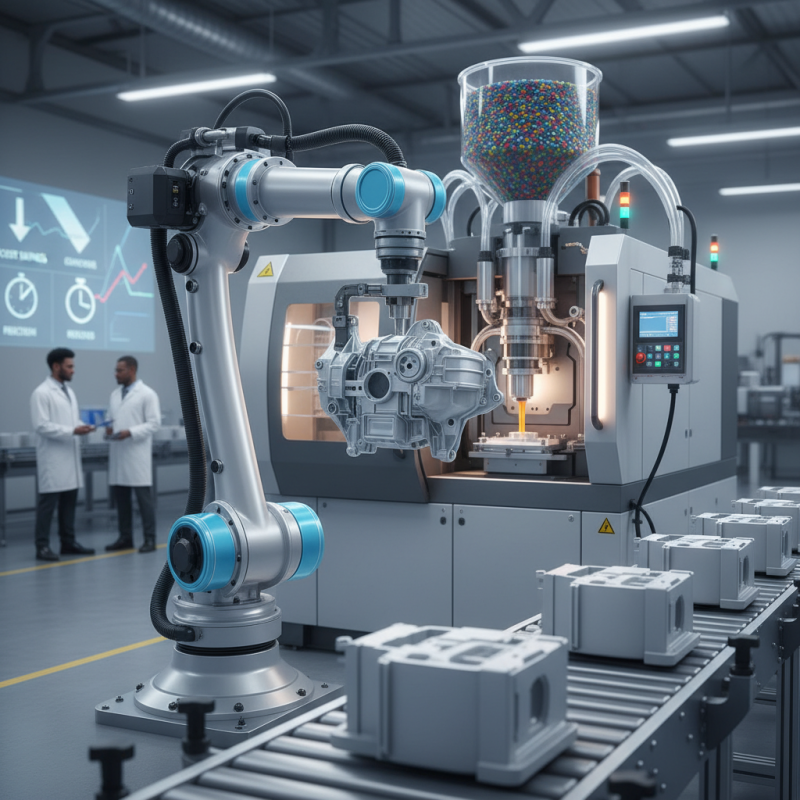
The plastic injection molding process is a versatile manufacturing technique. It is widely used across various industries, including automotive, consumer goods, and medical devices. According to a recent report by MarketsandMarkets, the global injection molding market is projected to reach $399 billion by 2025, highlighting its significance in production.
In plastic injection molding, heated plastic is injected into a mold. This allows for high precision and repeatability. A noteworthy statistic reveals that injection molding can produce parts with tolerances as tight as ±0.01 mm. Such accuracy supports industries that require detailed and reliable components. The process enables complex shapes, which would be challenging to achieve through traditional manufacturing methods.
The applications of this process are diverse. For example, in automotive manufacturing, lightweight plastic components contribute to fuel efficiency. In medical fields, customized plastic parts meet specific sterilization and safety standards. Still, challenges exist. For instance, the initial mold creation can be costly. Moreover, design modifications during production can lead to waste and increased lead times. These factors necessitate thoughtful planning in the design and production phases to maximize the benefits of plastic injection molding.
Cost-Effectiveness of Plastic Injection Molding for Production
Plastic injection molding is widely recognized for its cost-effectiveness in production. This process allows for large-scale manufacturing without significant initial investment. Buyers benefit from reduced labor costs due to automation. Once the mold is created, the production runs can yield thousands of identical parts quickly. The consistency in quality also lowers the risk of defects, which can be costly.
The efficiency of plastic injection molding gives buyers an edge. The ability to produce complex shapes means less need for assembly. This simplicity can lead to faster turnaround times, reducing overall production expenses. However, the initial cost of mold creation can be daunting. Buyers need to assess whether the upfront investment aligns with their production goals.
While the process is advantageous, it does have limitations. Not all materials are suitable for injection molding. Each design requires careful consideration to ensure feasibility. Quality control is paramount, as improper adjustments can lead to wasted resources. Reflecting on these factors is crucial for making informed decisions.
High Precision and Consistency in Manufacturing with Injection Molding
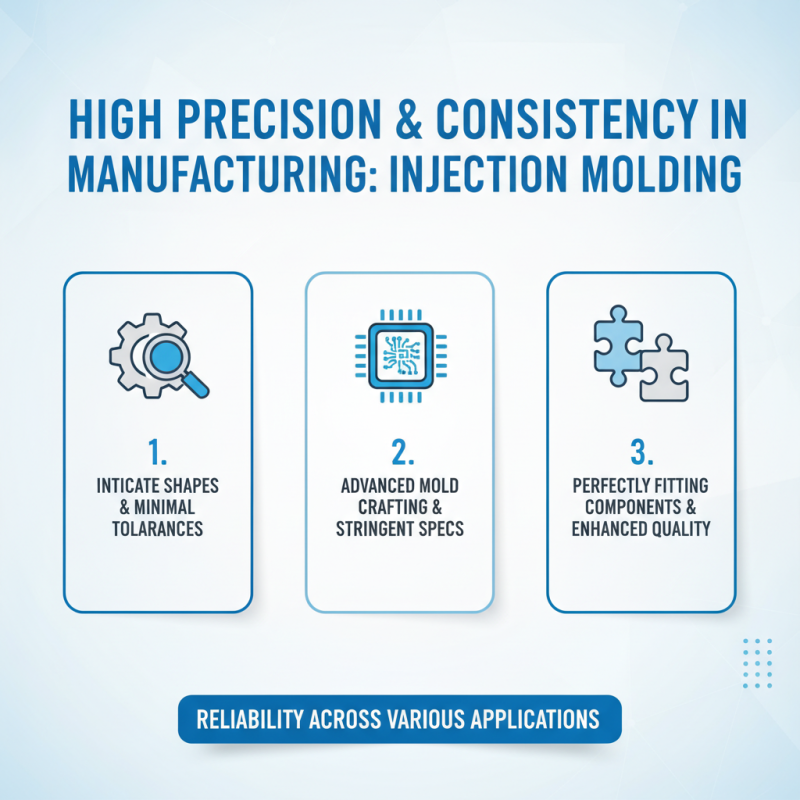
The injection molding process stands out for its high precision and consistency in manufacturing. This method enables the production of intricate shapes with minimal tolerances. Each mold is crafted with advanced technologies, ensuring every component meets stringent specifications. As a result, buyers can expect products that fit together perfectly. This reliability enhances product quality across various applications.
However, achieving this level of precision requires careful attention to detail. The calibration of machines and molds can be complex. Small errors can lead to significant variations, which may affect overall production efficiency. Buyers should be aware that even with advanced techniques, the potential for defects is always present. Continuous monitoring is essential to maintain quality standards.
Despite these challenges, the accuracy of injection molding often outweighs the risks. It allows for rapid production of uniform products at scale. This cost-effective process benefits industries ranging from automotive to consumer goods. Buyers who prioritize precision can rely on injection molding to deliver consistent results, although ongoing adjustments and refinements may be necessary.
Versatility in Material Choices for Diverse Product Requirements
The versatility of plastic injection molding lies in its wide range of material options. Buyers can choose from thermoplastics, thermosets, and elastomers, among others. Each material type offers unique benefits, catering to various product requirements. For instance, ABS is known for its strength and impact resistance, while polypropylene is favored for its flexibility and chemical resistance. According to industry reports, over 30 different polymer types can be used in injection molding, allowing customization and innovation in product design.
Buyers should consider the specific characteristics of each material. Some materials provide better heat resistance, while others excel in durability. Depending on the end product’s intended use, the right choice will impact performance and longevity. For example, parts used in automotive applications may require materials that meet stringent safety standards and performance criteria. This emphasizes the importance of selecting a material suitable for both functionality and regulatory compliance.
Tip: Conduct thorough material research before starting a project. Understand how each material interacts with specific environmental conditions. Testing samples can reveal essential insights about performance. Also, balance cost with quality; cheaper materials may lead to higher long-term costs due to durability issues. Keep in mind that innovative materials, though sometimes pricier, can enhance product appeal and longevity.
Top 10 Benefits of Plastic Injection Molding Process for Buyers
| Benefit |
Description |
Material Options |
Applications |
| High Efficiency |
Rapid production of high volumes of parts. |
ABS, Polycarbonate |
Automotive, Consumer goods |
| Precision |
High accuracy and tight tolerances for complex designs. |
Nylon, Polypropylene |
Electronics, Medical devices |
| Material Versatility |
Wide range of materials to choose from. |
PVC, Polystyrene |
Packaging, Toys |
| Cost-Effectiveness |
Lower per-unit costs for large quantities. |
Polyethylene, TPU |
Industrial components, Sporting goods |
| Design Flexibility |
Unlimited design potential with complex geometries. |
Acrylic, Composites |
Consumer electronics, Home appliances |
| Durability |
Robust parts that can withstand stress and impact. |
PBT, TPE |
Automotive, Aerospace |
| Reduced Waste |
Minimizes scrap material during production. |
Recycled Plastics |
Sustainable products, Packaging |
| Automation Potential |
Easily integrated into automated production lines. |
Engineering Plastics |
High-volume manufacturing |
| Fast Turnaround |
Quick mold creation and part production. |
Sustainable Plastics |
Prototype development, Short runs |
Environmental Considerations and Sustainability in Injection Molding
Plastic injection molding has made significant strides in environmental sustainability, addressing growing concerns about ecological impact. Reports indicate that the industry has improved energy efficiency by over 30% in recent years. This reduction in energy consumption leads to lower carbon emissions, aligning with global sustainability goals. Additionally, the use of reprocessed materials in injection molding processes can reduce waste by nearly 50%.
One practical Tip is to prioritize suppliers that adopt eco-friendly materials. Many manufacturers now offer biodegradable options, which help in reducing the overall carbon footprint. Exploring recycled plastics is another effective strategy. These materials often perform on par with virgin plastics yet contribute to waste reduction.
There are challenges as well. While advancements are promising, the industry still grapples with the need for better recycling infrastructures. The reality is that many plastic products end up in landfills rather than being processed. It's crucial to advocate for improved recycling methods. This not only benefits the planet but can also lead to cost savings for buyers who prioritize sustainability in their procurement process.
Top 10 Benefits of Plastic Injection Molding Process for Buyers
This chart illustrates the top 10 benefits of the plastic injection molding process, showcasing the advantages in terms of cost efficiency, design flexibility, and sustainability among others. The percentage reflects the perceived importance of each benefit by industry professionals.