Choosing an injection molding process affects part quality, tooling cost, production speed, and material waste. The right choice depends on the part, not a catchy process name. A thin phone housing, a soft-touch handle, and a medical-grade connector place very different demands on a mold. Buyers comparing seven process types need practical criteria, not a universal winner.
John Beaumont, author of Runner and Gating Design Handbook, is a recognized specialist in molding systems. A careful paraphrase of his published guidance is: “Design the flow path around the part, rather than treating the machine as the whole solution.” That distinction matters. A poorly balanced runner can cause uneven filling, visible sink marks, or extra scrap. Even a capable supplier cannot erase every design trade-off.
This guide compares conventional molding with overmolding, insert molding, two-shot molding, gas-assisted molding, micro molding, and structural foam molding. Each method fits different part geometries, volumes, finishes, and performance goals. Ask suppliers for evidence from similar parts, including sample dimensions, cycle times, and material data. Request a clear explanation of tooling assumptions, too. Quotes can look precise while hiding different standards. That is easy to miss. The best process may cost more upfront, or need a design revision; buyers should check both before committing.
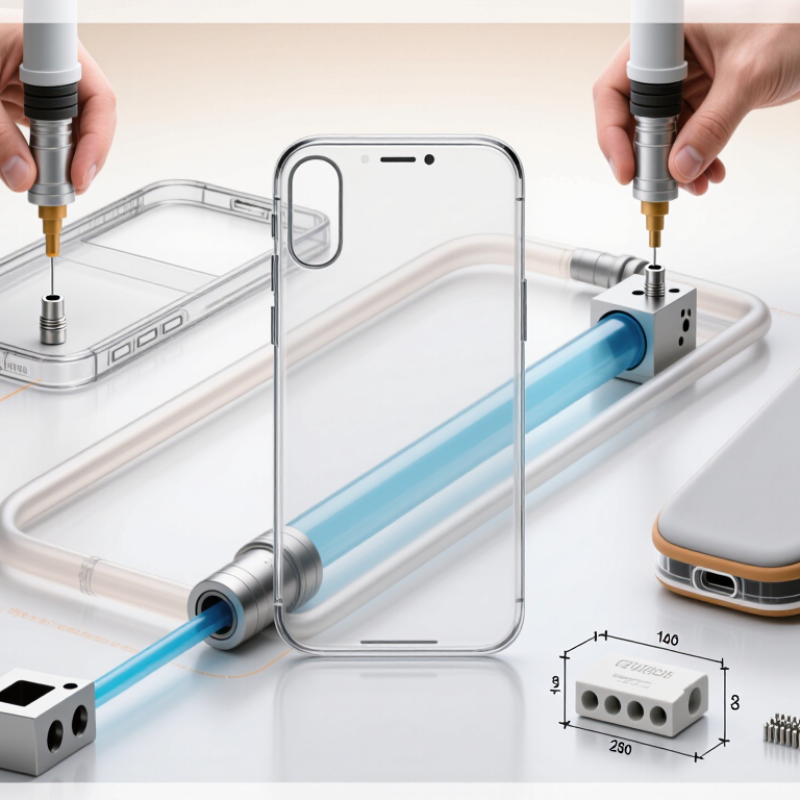
Buyers comparing injection molding process types should start with the part’s geometry, material, and expected production volume. Conventional molding often suits straightforward parts, while gas-assisted molding can help create hollow sections or reduce sink marks. Insert molding bonds metal or other components into a molded part. Overmolding adds a second material, often for grip or cushioning. Two-shot molding can form two materials in one coordinated cycle, but usually needs more complex tooling.
Compare more than quoted piece price. Ask how each process affects mold cost, cycle time, tolerances, surface finish, and secondary operations. A small textured handle may favor overmolding; a thin, detailed component may need a careful review of flow and cooling. Ask for sample parts and clarify what the quote assumes about resin, scrap, and inspection. No process wins every time. A tidy spreadsheet can still hide uncertain assumptions, and early estimates may shift after mold trials. Buyers should weigh those trade-offs against real part requirements, not select a process by name alone.
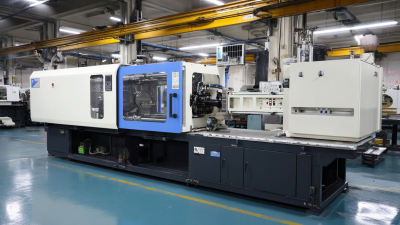
Standard injection molding is often a practical choice when buyers need repeatable parts in substantial quantities. Pellets are heated, pushed into a closed steel or aluminum mold, then cooled into the required shape. The cycle can produce matching housings, caps, clips, and other components with consistent dimensions. That matters. Once tooling is validated, automated cycles can keep labor per part relatively low. Buyers should confirm expected volume, resin behavior, tolerances, and cosmetic requirements before approving a mold. A small detail, like a thin rib, may affect filling and cooling.
This process supports many thermoplastics and a wide range of geometries, but it is not a universal shortcut. Mold design, gate location, venting, and cooling channels influence surface finish and dimensional stability. Poorly balanced cooling can cause warpage; overly tight tolerances may raise tooling and inspection costs. Ask for sample parts and review measurements under realistic production conditions. Discuss expected annual demand and possible design changes, since modifying a hardened tool can be expensive. The overlooked part? Early assumptions are often wrong. A first mold trial may reveal sink marks or uneven shrinkage, so leave room for adjustment before locking specifications.
| Process Type | How It Works | Common Materials | Best Suited For | Buyer Considerations |
|---|---|---|---|---|
| Standard Injection Molding | Molten material is injected into a closed mold, cooled or cured, and ejected as a finished part. | Common thermoplastics such as polypropylene, ABS, polycarbonate, and nylon; material choice depends on part requirements. | Versatile parts made in repeatable, medium- to high-volume production runs. | Tooling requires upfront investment. Part geometry, resin, mold design, and order volume all affect cost and lead time. |
| Insert Molding | A preformed component, such as a metal insert, is positioned in the mold and encapsulated or joined by injected material. | Thermoplastics combined with compatible metal or other molded inserts. | Parts needing integrated threaded features, electrical contacts, reinforcement, or other embedded components. | Insert positioning, material compatibility, and retention should be validated. Loading inserts can add handling or automation requirements. |
| Overmolding | A second material is molded over a previously molded substrate, either in a separate operation or within a multi-stage molding setup. | Compatible combinations may include a rigid thermoplastic substrate with a softer thermoplastic elastomer layer. | Parts needing a soft grip, seal, cushioning, or multiple material properties in one assembly. | Material bonding and interface design are critical. Confirm whether the materials bond chemically or require mechanical interlocks. |
| Gas-Assisted Injection Molding | Pressurized gas forms hollow channels in selected regions of the molded part as the polymer fills the mold. | Suitable thermoplastics selected for the part design and process; resin performance and gas behavior need evaluation. | Thick-section parts where hollow areas can reduce material use, weight, or sink marks. | Requires gas-control equipment and careful channel, gate, and process design. It is not appropriate for every geometry. |
| Structural Foam Molding | A foaming agent creates a cellular core within the molded plastic, typically with a denser outer skin. | Foam-processable thermoplastics, selected according to required strength, appearance, and service conditions. | Larger, thicker parts where lower weight and reduced material use are important. | The surface may show a foam-related texture, so cosmetic requirements should be reviewed. Tooling and process design differ from standard molding. |
| Liquid Silicone Rubber (LSR) Molding | Two liquid silicone components are metered, mixed, injected into a heated mold, and cured. | Liquid silicone rubber formulations selected for the required hardness and performance. | Flexible, resilient parts such as seals, gaskets, and components needing silicone properties. | Requires dedicated metering and curing equipment. Confirm the specified silicone grade and applicable regulatory or testing requirements. |
| Micro Injection Molding | Specialized molding equipment and tooling produce very small parts or features with tight process control. | Selected thermoplastics or other moldable materials, based on component size and functional requirements. | Miniature precision components for applications where small dimensions and repeatability matter. | Small features can be sensitive to material flow, tooling, and measurement methods. Define tolerances and inspection needs early. |
Insert molding places a metal or other component inside the mold before plastic is injected around it. The insert may be a threaded brass fitting, a steel pin, or a small electrical contact. This can reduce assembly steps, but only when the insert stays positioned during filling and cooling. Check its shape, surface, and temperature tolerance with the molder; movement can leave a weak bond or uneven plastic wall. Small details matter.
Overmolding adds a second material over a molded base, often a softer grip over rigid plastic. Designers should test material compatibility, shrinkage, and bonding under real use conditions. A handle that feels secure when dry may slip when wet.
The market context is substantial: Grand View Research estimated the global injection-molded plastics market at USD 330.12 billion in 2023. PlasticsEurope’s Plastics—The Fast Facts 2023 reported 400.3 million tonnes of global plastics production in 2022; that figure covers plastics broadly, not injection molding alone.
These reports indicate scale, not whether a particular multi-material design will succeed. It is easy to over-specify. Sometimes a separate fastener is simpler, cheaper, and easier to repair. Before committing, compare tooling cost, cycle time, and part testing across both approaches.
Gas-assisted molding can reduce part weight without sacrificing all of its stiffness. During injection, pressurized gas enters the molten polymer and pushes material toward the mold walls. This forms hollow channels inside selected areas. A molded handle, for example, may feel sturdy while using less resin. The design needs planned gas paths and consistent wall thickness. Poor venting or uneven cooling can cause surface marks or weak spots. Small trials matter. Even a promising simulation may not reveal every molding issue.
Structural foam molding uses a blowing agent to create a cellular core beneath a denser outer skin. The tiny cells can make larger parts lighter and more rigid than solid molded alternatives. Their surfaces may show a slight texture, which can matter on visible components. It is a trade-off worth checking in person. Both methods can help with bulky housings, panels, or support structures, but neither is automatically cheaper. Tooling, material choice, production volume, and finishing needs all affect cost. Buyers should compare sample parts for weight, stiffness, appearance, and fit. Ask how the process handles ribs, corners, and mounting points; these details can expose weaknesses that a simple weight comparison misses.
Two-shot molding can combine two materials or colors in one molded part. A rigid frame may carry a soft-touch grip, while a sealed edge can be molded directly onto a housing. The second shot bonds to the first through material compatibility, heat, and tool design. Buyers should check resin pairing, gate location, and bonding tests before approving production. A weak interface can fail even when both materials look sound.
Thin-wall molding targets lighter parts and shorter cooling times, often for packaging and consumer components. PlasticsEurope’s Plastics—The Fast Facts 2024 reports 413.8 million tonnes of global plastics production in 2023. That scale makes material efficiency important, but a thinner wall is not automatically a better part. Flow length, rib design, venting, and resin behavior can turn a small thickness change into short shots or warpage. Test the actual geometry.
Used together, these processes can reduce assembly steps and part weight, but the trade-offs deserve attention. Two-shot tooling costs more and needs tighter process control. Thin walls may demand higher injection speed and pressure. Ask suppliers for cycle-time trials, scrap data, bond-strength results, and dimensional checks from production-intent tooling. Small details matter. A draft angle that seems minor on a screen may affect ejection across thousands of parts. No process removes every compromise.
Two-shot molding typically uses two polymer shots to combine materials or colors. Thin-wall molding typically uses one shot and is designed for lightweight parts with thin sections. Shot counts are typical process characteristics, not performance ratings; actual requirements depend on part design and material.