China Best Natural Gas Piston Compressor Manufacturers

Natural gas remains an important part of energy supply, and dependable compression keeps gas moving through processing plants and pipelines. The International Energy Agency’s Gas 2024 report projected global gas demand growth of about 2.5% in 2024. That outlook makes compressor reliability, operating costs, and maintainability practical concerns for buyers—not just technical specifications.

Energy historian Daniel Yergin has described the transition as “an addition of new energy sources, not simply a replacement of old ones.” For Natural Gas Piston Compressor manufacturers, that perspective highlights a demanding market: equipment must support established gas infrastructure while responding to tighter efficiency expectations. Buyers evaluating Chinese manufacturers should look closely at cylinder design, valve performance, seal arrangements, cooling systems, vibration control, and documented testing. A polished brochure is not enough. Ask for operating references, service intervals, spare-parts availability, and performance data under conditions similar to your site.

Details matter. A compressor may run well in a factory test, yet behave differently with changing inlet pressure, gas composition, or ambient temperature. That gap deserves attention. This guide introduces leading manufacturers in China and the capabilities buyers can compare, while treating published claims as starting points—not proof. Careful verification remains essential.
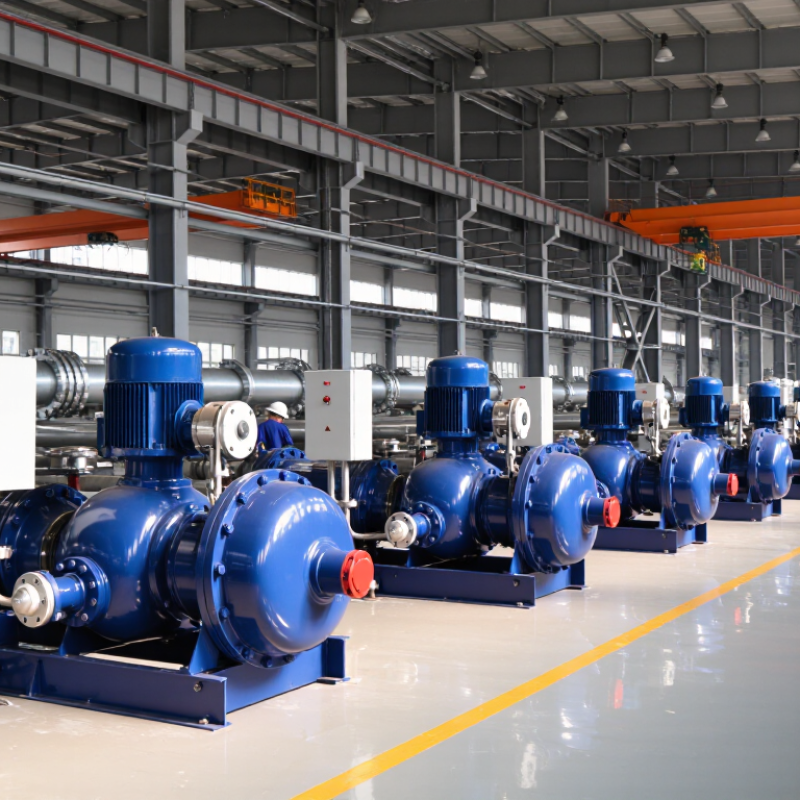
China Best Natural Gas Piston Compressor Manufacturers

Natural Gas Piston Compressors: Principles and Typical 3:1–4:1 Stage Ratios

A natural gas piston compressor raises pressure through a moving piston, cylinder valves, and carefully controlled clearance volume. In a multistage machine, each cylinder handles part of the total pressure rise. A stage ratio of about 3:1–4:1 is a common preliminary design range, calculated using absolute pressures—not gauge readings. GPSA Engineering Data Book guidance emphasizes temperature, gas properties, and intercooling in compressor design; the ratio alone does not determine performance.

Intercoolers remove heat between stages, helping limit discharge temperature and reduce the work required by later cylinders. For example, a unit compressing gas from 5 bar absolute toward 60 bar may use several stages, with ratios adjusted to suit actual suction conditions and pressure losses. EIA’s Natural Gas Annual reports about 37.8 trillion cubic feet of U.S. dry-gas production in 2023, illustrating the scale of gas handling behind such equipment. Real installations still vary.

A tidy ratio is not a guarantee. Gas composition, inlet temperature, valve condition, cylinder cooling, and site altitude can all change the result. Engineers should check discharge temperatures and power at the full operating range, rather than relying on one nameplate point. That extra check matters.

China Best Natural Gas Piston Compressor Manufacturers - Natural Gas Piston Compressors: Principles and Typical 3:1–4:1 Stage Ratios

Design dimension Principle or typical value Practical notes
Compression mechanism Positive-displacement reciprocating compression A piston reduces the volume of gas trapped in a cylinder; suction and discharge valves control flow in and out.
Stage pressure ratio A ratio of about 3:1–4:1 is a common preliminary design range per stage This is a guideline, not a fixed limit. The suitable ratio depends on gas properties, discharge-temperature limits, cooling, materials, and operating conditions.
Pressure-ratio definition Stage ratio = stage discharge pressure ÷ stage suction pressure Use absolute pressures (bar(a), kPa(a), or equivalent), not gauge pressures, when calculating compression ratios.
Interstage cooling Gas is commonly cooled between stages in a multistage arrangement Intercooling reduces the temperature of gas entering the next stage and can reduce compression work. Cooling and condensate handling must suit the gas and installation.
Illustrative two-stage example 10 bar(a) inlet to 120 bar(a) outlet gives an overall ratio of 12:1; equal stage ratios are approximately 3.46:1 With equal ratios, the approximate intermediate pressure is 34.6 bar(a). Actual stage pressures are selected during engineering design.
Typical multistage arrangement One cylinder or cylinder section per compression stage, with cooling between stages where required The number of stages depends on the required overall pressure ratio and the allowable conditions for each stage.
Capacity control May use variable speed, clearance pockets, or unloaders, depending on the compressor design The control method affects capacity turndown, efficiency, and operating flexibility; selection should match the process duty.
Gas and materials review Specify gas composition, contaminants, suction conditions, flow, and required discharge pressure Gas composition affects density, compression behavior, and materials compatibility. Sour or wet gas may require additional material and process safeguards.
Common applications Gas gathering, pipeline or station service, storage, and process-gas duties The compressor configuration is chosen for the required flow and pressure range, gas quality, site conditions, and operating profile.

Performance Metrics: Flow, Pressure, Power, and ISO 1217 Testing

China Best Natural Gas Piston Compressor Manufacturers

Performance Metrics: Flow, Pressure, Power, and ISO 1217 Testing

Comparing natural gas piston compressors starts with the duty point, not the largest figure on a specification sheet. Record the required inlet pressure, discharge pressure, gas composition, and operating temperature. These details shape the actual flow available at the outlet. A unit rated for one condition may deliver less under another. Small details matter.

Flow should be checked alongside pressure. Ask whether the stated capacity is measured at suction conditions or corrected to an agreed reference state. For a reciprocating machine, cylinder clearance, speed, and valve condition can influence volumetric efficiency. A test sheet should make its assumptions visible. If they are not clear, the comparison is weaker.

ISO 1217 provides a framework for compressor performance acceptance testing, including flow and power measurements under specified conditions. Review the test setup, instrument accuracy, correction method, and reported tolerances. Shaft power matters because it affects motor sizing and energy use; compare it at the same operating point as the measured flow. Pressure stability also deserves attention during testing, especially when the intended process has changing demand. Results are only useful when conditions are documented. In practice, field performance may still differ, and that gap deserves investigation rather than a quick excuse.

China’s Manufacturer Landscape: API 618 Design and Customization

China’s natural gas piston compressor sector combines established heavy-machinery production with project-specific engineering. For buyers, the key question is not simply whether a unit references API 618, but how its design addresses the actual gas composition, pressure range, and operating cycle. API 618 provides a framework for reciprocating compressor design, yet project specifications and documented engineering decisions still matter.

Customization often starts with practical details: cylinder arrangement, piston speed, valve selection, cooling method, and the materials exposed to the gas. Engineers may also assess pulsation control, vibration, and foundation loads using the proposed piping layout. Ask for calculation summaries, interface drawings, material records, and inspection plans—not only a headline capacity figure. Small mismatches can become expensive later. A nozzle orientation or maintenance clearance may look minor on paper, then complicate installation.

China-based manufacturers vary in how deeply they manage these details. Some can adapt standard frames quickly; others may need longer engineering reviews for unusual gas conditions or strict site requirements. That distinction deserves careful checking. A useful evaluation includes a technical meeting with design staff, clarification of API 618 deviations, and confirmation of who approves changes during fabrication. No configuration is perfect for every plant, and customization can add cost or delivery time. Buyers should compare documented trade-offs, not assume that more options always mean a better compressor.

Comparing Suppliers by Capacity, Discharge Pressure, Efficiency, and Service

Selecting a natural gas piston compressor manufacturer starts with the operating duty, not the largest catalog figure. Compare capacity at your actual inlet pressure, gas composition, and temperature. A quoted flow rate may change under different test conditions. Ask suppliers to state the reference conditions and expected operating range.

Pressure tells part. Check required discharge pressure, pressure ratio, and the number of stages in the proposed design. Request performance data at both normal and peak demand. Efficiency matters over the hours the unit will run: compare power consumption at equivalent conditions, and ask how the estimate was measured. A spreadsheet can still mislead. Real sites are rarely that tidy.

Service can decide whether a technically sound compressor stays available. Ask about routine inspection intervals, spare-parts lead times, technician response, and remote troubleshooting. Verify that service staff can support the installation region and explain what is included in a warranty. Talk with operators of similar installations, if possible. Their maintenance records may reveal practical issues that a specification sheet misses. One uncomfortable question helps: what happens when a seal or valve fails on a weekend? A clear answer is worth checking.

Selection and Safety: Methane Composition, Leak Control, and Compliance

China Best Natural Gas Piston Compressor Manufacturers
Selection and Safety: Methane Composition, Leak Control, and Compliance

Choose a piston compressor for the gas actually entering the inlet, not for a generic “natural gas” label. Methane content, carbon dioxide, nitrogen, water vapor, and possible contaminants affect capacity, sealing, and material selection. Request a representative gas analysis and confirm operating pressure, temperature, and flow range. Keep the analysis with the equipment records. Small variations matter.

Leak control deserves equal attention. The IEA’s Global Methane Tracker 2024 estimates that fossil fuel operations released about 120 million tonnes of methane in 2023. Around the compressor, inspect shaft seals, cylinder connections, valves, and vent lines with suitable gas detection equipment. Check alarms and detector calibration during commissioning. Record baseline readings, then repeat inspections after maintenance. No detector is perfect.

Compliance should be verified for the installation, not assumed from a catalog sheet. Confirm applicable Chinese pressure-equipment, electrical, fire-safety, and environmental requirements with qualified local professionals. Keep test certificates, inspection logs, gas-analysis results, and maintenance records accessible. A practical detail: mark isolation points clearly, so technicians can find them in poor lighting. Even careful checklists miss things; review them after real maintenance, not only during procurement.

Methane Safety: Flammability Limits in Air

Methane is flammable in air at approximately 5–15% by volume. These limits are useful safety reference points when assessing gas composition and leak-detection needs.

Approximate values commonly reported for methane in air; flammability limits can vary with temperature, pressure, and test conditions. Use gas detectors selected and maintained for the site, and follow applicable safety codes and regulations. Source: NIOSH Pocket Guide to Chemical Hazards, Methane.