How to Choose the Right Evaporative Chiller at Canton Fair?
Choosing the right Evaporative Chiller can greatly impact efficiency and sustainability. According to industry reports, the global evaporative cooling market is projected to surpass $7 billion by 2026. This emphasizes the importance of informed purchasing decisions at events like the Canton Fair, where innovation meets opportunity.
"Finding the right Evaporative Chiller is crucial for optimal performance," states Dr. Emily Roberts, a leading expert in HVAC systems. She highlights the need for buyers to evaluate energy efficiency ratings, material durability, and maintenance requirements. The rapid advancements in AI technology at the Canton Fair, such as smart search and navigation tools, will aid attendees in sourcing suppliers aligned with their specific needs.
However, the complexity of selection can lead to confusion. Many buyers overlook certification verification, risking future operational inefficiencies. The decision requires careful consideration of operational contexts and long-term goals. Recognizing these factors at the Canton Fair will ensure informed choices, leading to enhanced cooling solutions.
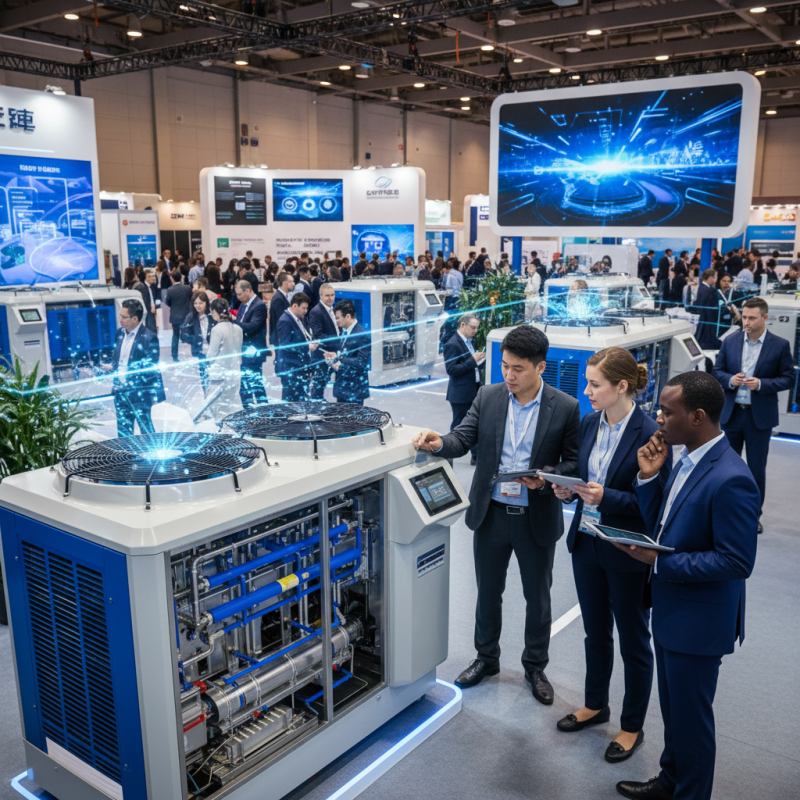
Understanding Evaporative Chillers: Basics and Functions
Evaporative chillers play a crucial role in industrial cooling. They work by using the natural process of evaporation to cool air. Understanding their basic functions is essential for making an informed choice, especially at events like the Canton Fair.
One important detail to consider is efficiency. Evaporative chillers can significantly reduce energy costs, but they require a specific climate to operate effectively. If you live in a humid area, their performance may decrease. It's vital to assess your local conditions before investing.
Another point to consider is maintenance. These systems need regular upkeep to function properly. Neglect can lead to issues, such as scale buildup or reduced cooling capacity. Reflecting on your ability to provide this maintenance can influence your decision. Always weigh the pros and cons before making a purchase.
Key Factors to Consider When Selecting an Evaporative Chiller
Choosing the right evaporative chiller can be challenging. At the Canton Fair, several key factors need to be evaluated carefully. Look at the cooling capacity. This determines how effectively the unit can lower temperatures in your specific environment. Understand your cooling needs prior to making a decision. Having a clear idea will save time.
Another factor is efficiency. Energy savings matter. An efficient chiller reduces costs in the long run. Ask about the water consumption as well. Some models use more water than others. You might need to rethink your choice if sustainability is a concern.
Don't overlook the material and build quality. The right materials can affect longevity. Some units may look robust but may not withstand harsh conditions. Consider maintenance requirements. How often will it need servicing? An ideal choice minimizes hassle. Keep all these aspects in mind as you explore options at the fair.
Evaluating Capacity and Efficiency Requirements for Your Needs
Choosing the right evaporative chiller involves understanding your specific needs. Capacity is crucial here. You need to evaluate the space you aim to cool. Consider factors like room size, heat load, and the number of people using the space. A chiller that’s too small won't cool effectively. One that’s too large may waste energy.
Efficiency requirements matter as well. Look at the Energy Efficiency Ratio (EER) when comparing models. Higher efficiency means lower operational costs. However, sometimes, high efficiency comes at a premium price. Balance your budget against long-term savings. In some cases, cheaper options may not be worth the trade-offs.
Think about your local climate too. Humidity and temperature fluctuations can impact performance. An ill-suited chiller can lead to inconsistent cooling. This might affect comfort levels and equipment performance. Reflect on these aspects to make a more informed decision.
Exploring Different Types of Evaporative Chillers Available
When exploring different types of evaporative chillers, it's crucial to understand their efficiencies and applications. The industry report by the American Society of Heating, Refrigerating and Air-Conditioning Engineers (ASHRAE) indicates that evaporative chillers can improve energy efficiency by up to 30%. This substantial gain is primarily due to their ability to utilize the natural cooling effect of water evaporation.
The primary categories include direct and indirect evaporative chillers. Direct evaporative chillers cool air with water, leading to humidified environments. This makes them ideal for hot, dry climates. On the other hand, indirect systems keep air and water separate, reducing humidity but maintaining cool air efficiently. Each type has its pros and cons, impacting both installation costs and long-term operational expenses. Many tend to overlook these factors, yet they are essential for optimizing system performance.
Some clues indicate that market growth for evaporative chillers is on the rise, projected at approximately 7.2% annually through 2027. This growth is driven by increasing industrialization. However, selecting the right model remains challenging. Misjudged needs can lead to ineffective cooling solutions and heightened energy bills. Scrutiny of factors like location and intended use is necessary for effective decision-making.
Tips for Comparing Prices and Manufacturer Specifications at Canton Fair
When exploring evaporative chillers at the Canton Fair, understanding specifications is crucial. Various manufacturers offer different features. Look for performance ratings like cooling capacity and efficiency. According to industry data, 60% of buyers prioritize energy efficiency when selecting chillers. Understand the unit's energy consumption, as this can impact operating costs significantly.
Price comparison is another essential factor. Many manufacturers provide similar models with varying price points. Reports indicate a price difference of up to 30% for models with equivalent specifications. Buyers often overlook the hidden costs of maintenance and parts replacement. Ask manufacturers about warranties and service agreements. An inclusive maintenance plan can save money long-term.
Consider the environmental impact of the chiller you choose. Some models are designed to minimize water usage, which addresses sustainability. However, manufacturers may not always highlight this aspect prominently. Look for certifications or reports that confirm eco-friendliness. Engaging with engineers or technicians at the fair may reveal insights into performance discrepancies.
