How to Choose the Best Butterfly Valves for Sale?
Choosing the best butterfly valves for sale requires careful consideration. The global butterfly valve market is projected to reach $7.6 billion by 2025, driven by various industries. With such demand, quality and reliability remain crucial.
The types of butterfly valves vary widely, and each has its specific applications. For instance, resilient seated valves are ideal for waterworks. However, many buyers struggle to find the right fit. Misunderstanding specifications can lead to subpar choices.
In addition, safety and efficiency should never be overlooked. Opting for lower-priced options might compromise durability. The trade-off between upfront cost and long-term performance is worth contemplating. Buyers need to reflect on their choices, ensuring reliability in operation.
Understanding Butterfly Valves: Types and Applications
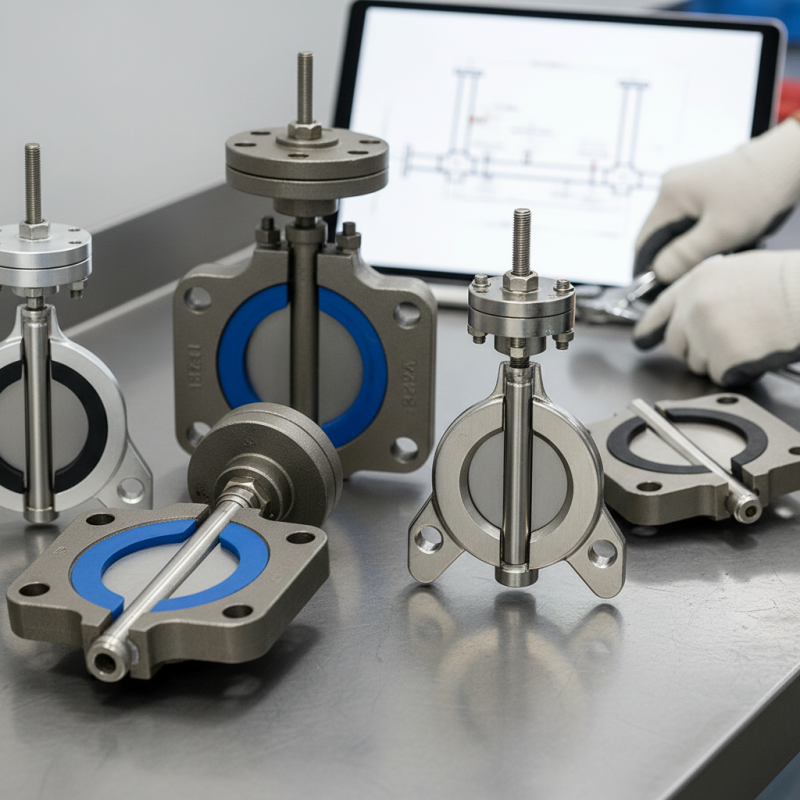
Butterfly valves serve various industrial purposes. They regulate flow efficiently in pipelines. Understanding their types can help make better choices. There are two main types: wafer and lug-style butterfly valves. Each has unique mounting methods that suit different applications.
Wafer valves fit between two flanges, creating a compact design. They are often used in tight spaces. On the other hand, lug-style valves offer flexibility in installation. These can be removed from one side while the system remains operational. Consider the installation requirements when choosing a valve type.
Tips for selection: Assess the medium the valve will handle. Different materials perform well under varying conditions. Check the pressure ratings and temperature limits. Oversizing may lead to operational issues. Sometimes, a smaller valve might fit better. It’s essential to reflect on your specific needs and choices.
How to Choose the Best Butterfly Valves for Sale? - Understanding Butterfly Valves: Types and Applications
| Type of Butterfly Valve | Material | Size Range (Inches) | Typical Applications | Operating Pressure (psi) |
| Wafer Type | Cast Iron | 2 to 24 | Water, Oil, Air | 150 |
| Lug Type | Stainless Steel | 2 to 30 | Chemical Processing, Water Treatment | 250 |
| Double Flanged | Ductile Iron | 4 to 36 | HVAC Systems, Fire Protection | 300 |
| Butterfly with Actuator | Aluminum | 2 to 20 | Oil and Gas, Mining | 150 |
| Triple Offset | Carbon Steel | 6 to 48 | Oil and Gas, High-Temperature Applications | 600 |
Key Factors to Consider When Selecting Butterfly Valves
Choosing the right butterfly valve is crucial for optimal performance in various applications. It’s not just about picking any valve; effectiveness depends on several key factors. Material compatibility is essential. Certain chemicals or environments can corrode materials, leading to failure. According to industry reports, about 20% of valve failures result from improper material selection.
Design specifications also matter. The valve's size and style should align with your system's requirements. Oversized valves can cause flow turbulence, while undersized ones may lead to pressure drops. A study indicated that poorly sized valves can reduce system efficiency by up to 15%.
Tips: Always consult flow charts before making a decision. Evaluating the flow rate helps. This ensures the valve you choose meets the system's demands. Performance data suggests that users often overlook this vital step. Regular maintenance is another consideration. Scheduled inspections can prevent unexpected breakdowns and extend the valve's lifespan.
Finally, consider the actuator type. Pneumatic or electric choices can affect response times and control accuracy. Both have unique advantages and limitations based on your application. Understanding these nuances will improve your system's overall efficiency.
Material Selection for Durability and Performance
Choosing the right material for butterfly valves is crucial for ensuring durability and performance. Many industries rely on these valves for efficient flow control. According to a report from the Valves and Actuators market, stainless steel remains the top choice due to its resistance to corrosion and high temperatures.
However, not every application benefits from stainless steel. In some situations, plastic materials like PVC can offer lighter weight and lower costs. A study indicates that using plastic valves can reduce installation costs by up to 20%. Yet, these materials may not withstand extreme pressure. This calls for careful consideration of your specific needs.
Additionally, the choice of lining material plays a role in the valve's longevity. Teflon linings, for example, provide excellent chemical resistance. They are suitable for aggressive environments. But they can increase costs significantly. Balancing cost with performance and lifespan is essential. Some users may overlook these factors, leading to frequent replacements and higher overall expenses.
Sizing and Pressure Ratings for Optimal Function
When selecting butterfly valves, understanding sizing and pressure ratings is crucial. Proper sizing ensures that the valve fits within the system seamlessly. A valve that is too small can restrict flow, while one that is oversized may lead to inefficient operation. It’s essential to measure the pipe diameter accurately. Consider the fluid type and flow rate. Each application can have unique requirements that impact valve selection.
Pressure ratings are equally important. They indicate the maximum pressure a valve can handle safely. Ignoring these ratings can lead to catastrophic failures. Ensure that the valve's pressure rating matches or exceeds the system’s operational pressure. This can be a tricky balance. In some cases, users might inadvertently choose valves rated for lower pressures. This oversight could have serious consequences under high-stress conditions.
Choosing the right materials is also key. Not all valves are suitable for all environments. Certain fluids can corrode materials, affecting performance over time. Be mindful of the operating temperature as well. This can impact the valve's integrity. Regular maintenance and inspections should be part of your routine. Sometimes, what looks good on paper fails in practice. Always be prepared for unexpected challenges.
Costs and Budgeting for Purchasing Butterfly Valves
When considering the costs and budgeting for butterfly valves, start by evaluating your specific needs. Different applications require distinct valve types, which can affect pricing. Basic models are often less expensive, while specialized valves may carry a higher price tag due to advanced features. Research is key. Be mindful of hidden costs like shipping and installation.
Think about the long-term impact of your purchase. Cheaper options might lead to more frequent replacements and repairs. High-quality valves can be more cost-effective over time, even if the upfront investment is higher. Make a list of the essential features you need, and prioritize them accordingly.
Be aware that your budget should also accommodate unexpected expenses. Market fluctuations can influence prices, so consider this in your planning. Engaging with suppliers for quotes can provide clarity on current pricing trends. Balancing quality and cost can be challenging but essential. Make sure to reflect on your choices as you work through this process.