How to Choose the Best Plastic Manufacturing Supplier?
Choosing the right plastic manufacturing supplier is crucial for your business. The quality of plastic products can significantly impact your company's reputation. A reliable supplier ensures consistency and excellence in manufacturing.
Many factors influence this choice. Experience in the industry is vital. A supplier's track record speaks volumes about their capabilities. Look for established companies with positive client feedback. Certifications and compliance with industry standards are non-negotiable. These elements reflect their commitment to excellence.
It's also important to consider communication and support. A responsive supplier fosters a collaborative partnership. Explore their manufacturing processes and technologies. Not all suppliers may meet your specific needs. Engage in discussions to clarify any uncertainties. This interaction can reveal valuable insights about their operations. As you navigate your options, reflect on what truly matters for your business. Your choice will shape your success in the plastic manufacturing sector.

Understanding Your Plastic Manufacturing Needs
Understanding your plastic manufacturing needs is crucial in selecting the right supplier. Start by assessing the types of plastic products you require. This involves understanding the specifications, including material, design, and functionality. Each product may demand different materials. For instance, polycarbonate and polyethylene serve various roles in industries. Knowing these specifications helps narrow down potential suppliers.
Next, consider your production volume. Are you needing small batch production or large-scale manufacturing? Suppliers often specialize in specific volume capacities. A mismatch here could lead to delays or increased costs. Also, engage with your team to gather insights on what has worked previously and what hasn't. This reflection will guide your decision-making.
Evaluate the suppliers' expertise in your specific area. It’s essential to understand their technological capabilities and workforce skills. Visit their facilities if possible. This firsthand experience can reveal a lot about their operations. Be cautious of suppliers who promise the world but lack proven experience. Actual case studies or testimonials can provide a clearer picture of their reliability.
Researching Potential Suppliers and Their Credentials
Researching potential suppliers is crucial in plastic manufacturing. Start by evaluating their credentials. Look for certifications that indicate quality and safety standards. ISO certifications are common examples that show a commitment to excellence. Suppliers with these credentials often invest in better processes and technologies.
Experience matters. A supplier with years of operation often understands the industry's nuances. This experience may translate into improved reliability and better problem-solving skills. Moreover, investigate their client portfolio. Having reputable clients can be a sign of a trustworthy supplier.
Don't overlook reviews and testimonials. They provide insights into a supplier's performance. However, be cautious—some reviews may be biased. Consider looking for independent sources of feedback. Engaging directly with previous clients can also provide valuable perspectives. It's essential to gather a comprehensive view, as this will minimize potential issues in future collaborations.
Evaluating Supplier Capabilities and Technologies
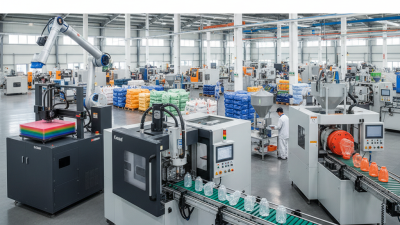
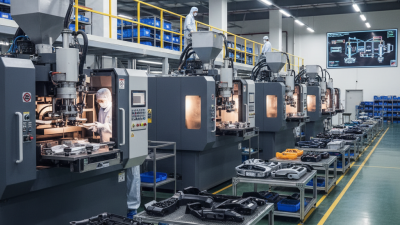
When evaluating the capabilities of a plastic manufacturing supplier, it's essential to consider their technological advancements. Advanced machinery can enhance efficiency and ensure quality. Check if the supplier uses automated processes, which can reduce human error. A visit to their facility may reveal their actual production conditions.
Assessing a supplier’s expertise is crucial. Look for their experience in producing similar products. This reflects their ability to meet specific needs. Ask about their research and development capabilities. A supplier focused on innovation can provide valuable insight into new materials and production techniques.
Communication plays a key role in the evaluation process. Understand how accessible and responsive the supplier is. Delays in communication can signal problems down the line. Taking time to evaluate these aspects can lead to a more reliable partnership. Investing effort in this stage often pays off.
Assessing Quality Control Processes and Certifications
When selecting a plastic manufacturing supplier, evaluating their quality control processes is crucial. This ensures the final products meet industry standards and consumer expectations. Suppliers should have clear protocols for inspecting materials and finished goods. Regular audits of their processes reveal a commitment to maintaining quality.
Certifications play an important role in assessing a supplier's reliability. Look for industry-recognized certifications that indicate compliance with quality standards. These credentials are not just paperwork; they reflect the supplier's dedication to excellence. However, it’s essential to question the meaning behind these certifications. Are they updated regularly? How do they relate to your specific needs?
One area to consider is how a supplier handles quality control failures. Reflecting on their response mechanisms can offer insights into their operational integrity. Effective suppliers will have procedures for corrective actions. Informing you about past challenges shows transparency. This openness is key when developing a partnership built on trust and mutual growth.
Comparing Costs and Terms of Service across Suppliers
When comparing costs and terms of service among plastic manufacturing suppliers, transparency is key. Obtain detailed quotes from potential suppliers. These should outline material costs, production timelines, and any additional fees. Without clear information, it's easy to make assumptions that can lead to budget overruns.
Look beyond just pricing. Evaluate service terms thoroughly. Consider order minimums, payment schedules, and support for design modifications. Some suppliers may offer lower prices but have restrictive terms that complicate the production process. It's vital to weigh these factors to avoid future headaches.
Be prepared for compromise. A low-cost supplier with rigid terms could delay your project. Conversely, a slightly pricier option with flexible terms might save time and stress. Understand the trade-offs involved. A good balance between cost and service terms leads to sustainable partnerships in manufacturing. Trust your instincts, and don’t hesitate to ask for clarification.