2026 How to Choose the Best Magnetic Levitation Blower?
When selecting a Magnetic Levitation Blower, understanding its technology is key. These blowers utilize magnetic levitation to reduce friction, leading to enhanced efficiency. According to a 2022 industry report, magnetic levitation systems can achieve up to 90% energy efficiency, significantly outperforming traditional blowers. This emphasis on efficiency is critical as industries increasingly seek sustainable solutions.
While the benefits are clear, buyers must consider specific factors. Not every Magnetic Levitation Blower is created equal. Factors such as airflow rate, noise level, and maintenance requirements should not be overlooked. Units can vary widely in performance, with some achieving high airflow rates while remaining remarkably quiet.
Potential customers often overlook their unique needs. It’s essential to evaluate the application before investing. A Magnetic Levitation Blower ideal for one scenario may not suit another. By thoroughly assessing features against requirements, buyers can avoid common pitfalls. Making an informed choice in this evolving technology can lead to long-term satisfaction and efficiency gains.
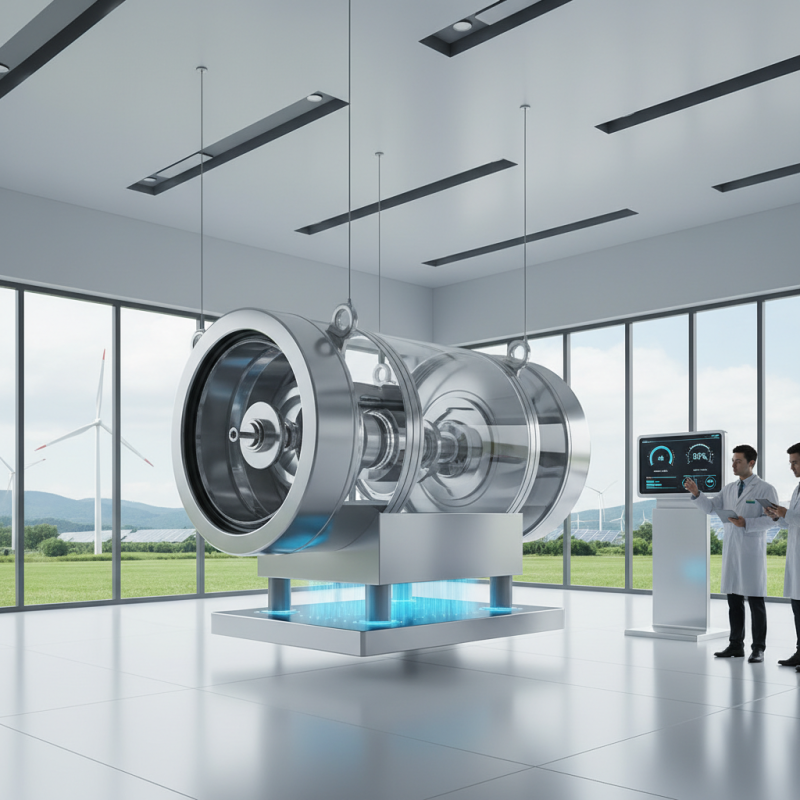
Understanding Magnetic Levitation Technology in Blowers
Magnetic levitation (maglev) technology offers unique benefits in blower design. This innovative method eliminates friction by suspending the rotor in the air. As a result, blowers can operate more quietly and efficiently. The reduction in mechanical wear enhances durability. Such benefits attract various industries seeking reliable solutions.
Understanding maglev technology is essential when selecting a blower. Key aspects include rotor dynamics and airflow patterns. Effective rotor design allows for optimal airflow and stability. Users should consider the blower's specific application to ensure it meets performance requirements. Factors like power consumption and heat generation are crucial for long-term efficiency.
Not all Maglev Blowers are made equal. While some may boast impressive specifications, real-world performance can vary. Testing in a controlled environment is vital. Keep in mind that not every product may live up to its claims. Evaluatinguser reviews and expert feedback can provide valuable insights to make an informed choice.
Key Performance Metrics for Magnetic Levitation Blowers
When selecting a magnetic levitation blower, understanding key performance metrics is essential. Airflow capacity is a primary factor. It determines how much air the blower can move, and this is crucial for various applications. An adequate airflow prevents overheating and ensures efficient operation. Measure the required airflow against the blower's specifications before making a decision.
Noise levels also play a significant role. Magnetic levitation blowers are known for quieter operation compared to traditional blowers. Evaluate the decibel ratings. A blower that operates at lower noise levels may enhance your work environment. However, what sounds quiet in a lab might still be disruptive in a quieter space.
Power consumption is another key metric. Energy-efficient models can significantly reduce operating costs. Look for blowers that provide optimal performance without excessive energy usage. This can lead to longer-term savings. It is worth noting that the initial cost may not always reflect long-term efficiency. Ultimately, balancing these metrics will guide you to make a more informed choice, highlighting the need for careful analysis in selecting the right blower.
Comparative Analysis of Magnetic Levitation vs. Traditional Fans
When considering the choice between magnetic levitation blowers and traditional fans, the differences are noteworthy. Magnetic levitation blowers utilize magnetic forces to float the fan, reducing friction and increasing efficiency. Traditional fans rely on physical contact, leading to wear and tear over time. This fundamental difference impacts longevity and performance.
Magnetic levitation systems can operate more quietly than traditional fans. They generate less noise due to the absence of mechanical contact. However, this technology can be more complex and costly. Understanding the installation requirements is key. Not everyone may need such advanced features, which could lead to overspending.
Tips: Assess your specific needs before deciding. If noise and energy efficiency are priorities, magnetic blowers could be beneficial. But if you're looking for cost-effectiveness and simplicity, a traditional fan might suffice. Always research user reviews and expert opinions. Consider maintenance requirements, as magnetic levitation systems may need specialized care.
Applications and Industries Benefiting from Magnetic Levitation Blowers
Magnetic levitation blowers have made significant strides in various applications. Their non-contact design prevents wear and tear, extending their lifespan. These blowers are essential in industries such as semiconductor manufacturing, where precision is crucial. They also perform well in the food and beverage sector, ensuring sanitary environments.
In the automotive industry, magnetic levitation blowers are used for cooling systems. They provide efficient airflow while reducing noise levels. Hospitals and cleanrooms benefit from these blowers due to their minimal vibration and dust generation. This contributes to a sterile atmosphere necessary for delicate operations.
Tips: When selecting a magnetic levitation blower, consider the specific requirements of your application. Measure the airflow and pressure needed. Ensure compatibility with existing systems. Research potential challenges in installation and maintenance. Continuous evaluation of performance will help you optimize usage over time. Remember that the initial cost may be higher, but the long-term benefits are significant.
Future Trends in Magnetic Levitation Blower Technology and Design
Magnetic levitation blower technology is transforming industries with its unique benefits. The latest forecasts suggest that the magnetic levitation blower market will reach approximately $2 billion by 2026, driven by demand for energy-efficient solutions. This technology reduces friction, leading to longer lifespans and lower maintenance costs.
Future designs emphasize not only efficiency but also compactness. Reports show a trend towards smaller, more powerful blowers that can fit into tight spaces while maintaining high performance. However, challenges remain, such as the complexity of manufacturing these advanced components. There is a need for ongoing research to streamline production methods and reduce costs.
Industry experts highlight the importance of sustainability. Magnetic levitation systems require less energy, contributing to lower carbon footprints. The shift towards robust, eco-friendly technologies is not just a trend; it's becoming a necessity. As manufacturers adapt, they face the difficult balance of innovation and practical application.
