Top 10 Die And Stamping Techniques for Efficient Manufacturing?
In today’s manufacturing landscape, efficiency is paramount. The Die And Stamping techniques are integral in achieving this efficiency. These methods not only enhance productivity but also reduce material waste. Various techniques shine in the die and stamping processes. Each brings its own advantages and challenges.
Understanding these techniques requires expertise and experience. There are options like progressive die stamping, which allows for the production of complex shapes in one go. However, it may need careful setup and adjustment. Deep drawing is another option, ideal for creating deep and hollow parts. It often requires a skilled workforce to manage intricacies.
Not every approach suits every application. Choosing the right technique is critical. Some techniques may seem simple but can lead to complications if misapplied. Organizations must assess their needs meticulously. They must also consider the long-term impacts, both positive and negative. The die and stamping techniques selected will shape the future of manufacturing efficiency.
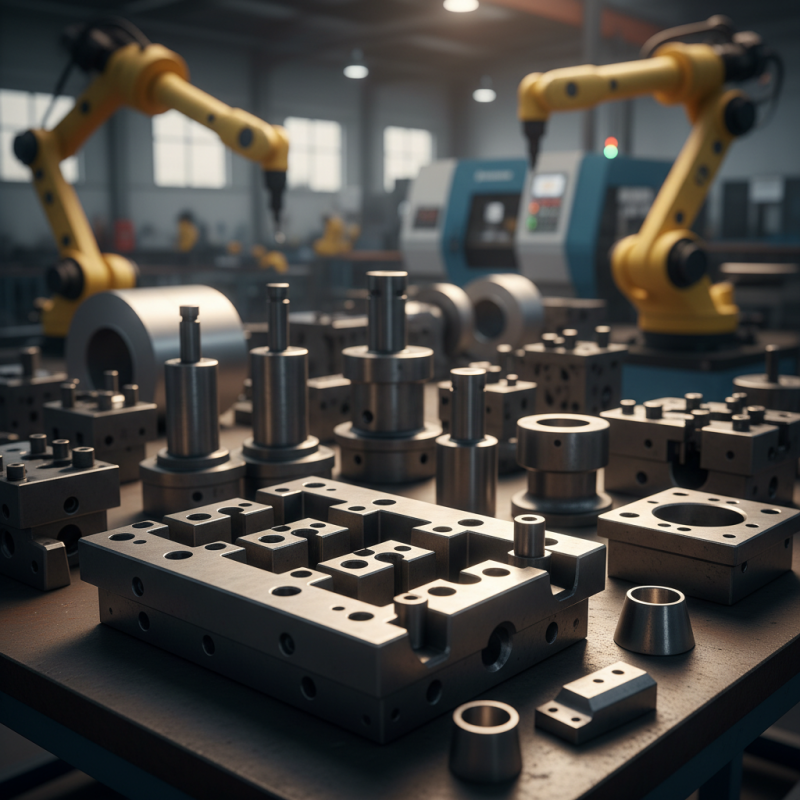
Overview of Die and Stamping Techniques in Manufacturing
Die and stamping techniques play a crucial role in modern manufacturing. These methods shape metal into precise components efficiently. Some widely used techniques include progressive die stamping, single-station die stamping, and deep drawing. Each technique offers unique advantages for various applications. Understanding these methods is essential for any manufacturing professional.
When selecting a die and stamping technique, consider the part geometry and materials. Not every technique suits every application. Progressive die stamping is ideal for high-volume production with complex shapes. In contrast, single-station stamping may be better for simpler designs or prototypes.
Tips for efficiency: Always prototype before full production. This can save costs and prevent errors. Invest in high-quality dies for better durability. Regular maintenance of your stamping equipment ensures consistent performance. Also, assembling a skilled workforce is vital. Training employees on best practices can reduce waste and improve output significantly.
Common Materials Used in Die and Stamping Processes
Die and stamping processes are crucial in modern manufacturing, with various materials playing a pivotal role. Commonly used materials include metals like steel and aluminum, chosen for their durability and strength. According to industry reports, steel accounts for over 50% of die materials due to its excellent machinability. It's favored for its high tensile strength, making it ideal for automotive and aerospace components.
Aluminum follows closely, particularly in applications requiring lightweight solutions. With a lower density than steel, aluminum helps reduce overall production costs and weight in finished products. Reports suggest that the demand for aluminum in stamping processes is projected to rise by 4% annually. This reflects a growing trend in industries where weight reduction is paramount.
Plastics and composite materials are also gaining traction. They offer advantages such as corrosion resistance and flexibility in design. However, their use in stamping requires careful consideration of tooling and process parameters. A study highlighted that while plastics reduce production time, they also present challenges in achieving dimensional accuracy. Balancing material choice with manufacturing efficiency remains a key concern for engineers in the field.
Top 10 Die and Stamping Techniques for Efficient Manufacturing
This bar chart displays the efficiency ratings of the top 10 die and stamping techniques used in manufacturing processes, showcasing their effectiveness and importance in production efficiency.
Step-by-Step Guide to Progressive Die Design
Progressive die design is crucial in efficient manufacturing, particularly for metal stamping processes. This technique allows for multiple operations in a single setup. The goal is to minimize material wastage while maximizing production speed. Understanding the layout and sequence of each operation helps achieve this. Each station in the die should be carefully designed for a specific task.
A practical approach to progressive die design is to visualize the entire workflow. Each component must connect seamlessly. Consider factors like tooling costs and maintenance requirements. Design mistakes can lead to significant downtime. Monitoring wear and tear of the dies is essential. Regular assessment ensures that the tools operate efficiently throughout their lifecycle.
Also, challenges in design can arise. Designers may overlook minor elements, leading to bottlenecks. Small misalignments can cause errors in parts. Encouraging a culture of continuous improvement can foster innovative solutions. Collaboration between engineers and operators can reveal insights that single perspectives may miss. Embracing feedback is vital for refining processes.
Advantages of Different Stamping Methods
When it comes to stamping methods, each technique offers unique advantages for effective manufacturing. Progressive stamping is one approach that allows for continuous production. This method can enhance efficiency by minimizing material waste. It reduces the time spent on setup and can produce intricate parts seamlessly.
Hydraulic stamping is another technique that stands out. It uses hydraulic pressure to shape metals, allowing for complex designs. This adaptability can lead to greater creativity in product development. However, the machinery can be costly and requires skilled operators.
Mechanical stamping is often quicker and less expensive. It provides high-speed production and simple designs. Yet, it may suffer from limitations in precision on complicated shapes. Balancing these methods against project needs can pose a challenge. Each stamping technique, while advantageous, has its own intricacies to master.
Future Trends in Die and Stamping Technology
As the manufacturing landscape evolves, die and stamping technology is witnessing rapid advancements. Future trends indicate a shift towards automation and smart manufacturing. The integration of Industry 4.0 principles is enhancing productivity and precision. Real-time monitoring systems can identify defects early, reducing waste and costs.
Embracing advanced materials is also crucial. New alloys and composites offer better performance and durability in die and stamping applications. This evolution allows manufacturers to produce lighter and stronger components. However, adapting to these materials can pose challenges. Ensuring compatibility with existing processes may require reevaluation.
Tips for manufacturers:
- Invest in training. Skilled workers are essential for implementing innovative technologies effectively.
- Explore partnerships with tech firms. Collaborations can facilitate access to cutting-edge solutions.
- Regularly assess equipment and processes. Continuous improvement is key to staying competitive in the fast-paced industry.
