Essential CNC Accessories for Optimal Machine Performance?
The world of CNC machining is vast and intricate. Essential CNC Accessories play a crucial role in enhancing machine performance. These tools can greatly impact precision, efficiency, and overall output quality.
A well-equipped CNC machine requires more than just the core components. The right accessories can improve workflow and reduce errors. They include items like tool holders, coolant systems, and measuring instruments. Each accessory contributes uniquely to the machining process. Yet, many users overlook their importance. Skipping essential accessories can lead to frustrating setbacks.
Investing in high-quality CNC Accessories may seem costly. However, the long-term benefits often outweigh the initial expenses. Reflecting on past choices can reveal missed opportunities for optimization. Overlooked accessories may have been the key to better results. Properly selected tooling can elevate performance significantly. In this rapidly evolving field, staying informed on essential accessories proves vital for success.
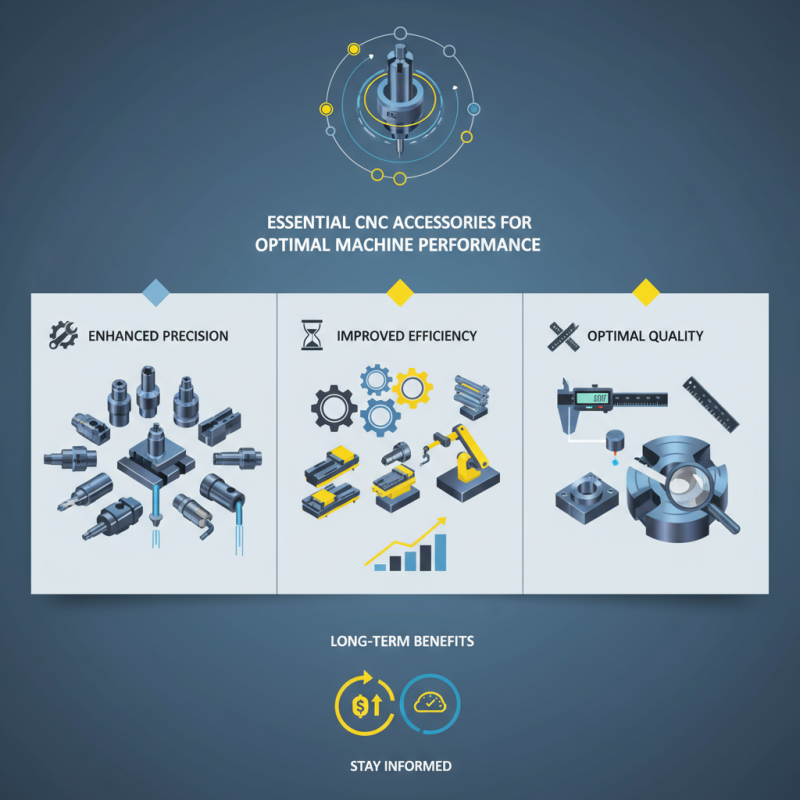
Essential CNC Accessories for Enhanced Machine Functionality
When it comes to enhancing machine functionality, CNC accessories play a pivotal role. Tools like tool holders and collets ensure precision in cutting. High-quality tool holders stabilize the cutting tools. This reduces vibration and increases efficiency. Collets, on the other hand, provide a secure grip. They allow for quick tool changes, improving workflow.
Mistakes can happen. An improper accessory choice leads to poor performance. For instance, a dull cutting tool can compromise the entire machining project. Additionally, neglecting maintenance on accessories can result in wear and tear. Regular checks ensure optimal functionality. Keeping a clean workspace also impacts accessory longevity. Dust and debris can affect machine performance.
Don't overlook safety gear. It is just as crucial as the accessories. Wearing goggles and gloves protects operators from potential hazards. Investing in ergonomic accessories can further enhance comfort. This not only boosts productivity but also reduces fatigue during long sessions. Disregarding these details may result in costly mistakes. Always reflect on these factors for better results.
Key Safety Accessories for CNC Operators and Maintenance
CNC operators face numerous risks daily. Therefore, having the right safety accessories is crucial. Eye protection, for instance, protects against flying debris. Safety glasses should fit snugly and block harmful UV light. Ear protection is also essential. CNC machines can be loud, and prolonged exposure can damage hearing. Consider earmuffs that comfortably seal around the ears.
Another important accessory is a sturdy work apron. It should have pockets for tools and help prevent tools from falling. Additionally, gloves can offer a necessary grip. However, it’s vital to choose gloves that won’t get caught in rotating parts. This balance between protection and usability is hard to achieve.
Emergency stop buttons should always be accessible. It's easy to overlook their position until needed. Keeping a first aid kit nearby is also wise. While it’s not an everyday need, accidents can happen at any moment. Regularly checking that these items are in good condition is not just recommended; it’s essential. Ignoring equipment maintenance can lead to unsafe situations. All these details matter in ensuring the safety of operators and the effectiveness of CNC machines.
Tooling and Workholding Solutions for CNC Efficiency
Efficient tooling and workholding solutions are critical for enhancing CNC machine performance. According to the National Institute of Standards and Technology, optimized tooling can improve productivity by up to 30%. This is significant in competitive manufacturing environments. Selecting the right tools based on material type and process requirements leads to better results.
Workholding devices also play a vital role. A report from the American Society of Manufacturing Engineers indicates that inadequate workholding methods can result in an estimated 20% of machine downtime. Poor setups lead to compromised accuracy and surface finish, influencing product quality. Custom solutions often fill the gaps left by generic options.
However, the quest for perfection in tooling and workholding is ongoing. Many facilities overlook maintenance schedules or fail to update their equipment. Ignoring these aspects can lead to diminished returns and wasted investments. Assessing and adapting to new technologies and methodologies is imperative for longevity. Balancing innovation and traditional practices remains a challenge for many manufacturers.
Essential CNC Accessories for Optimal Machine Performance
| Accessory | Description | Benefits | Typical Use Case |
| Vices | Clamp workpieces securely for precise machining. | Increased stability and accuracy during cuts. | Milling, drilling, or any CNC operation requiring stability. |
| Tool Holders | Securely hold cutting tools in the machine spindle. | Enhanced tool retention and reduced run-out. | Turning, milling, and drilling operations. |
| Collets | Grip tools tightly for high-speed applications. | Improved concentricity and flexibility in tool changes. | Precision machining, especially in CNC routers. |
| Fixture Plates | Provide a stable surface for mounting workpieces. | Simplifies setup and enhances repeatability. | Complex machining setups that require multiple operations. |
| Workholding Clamps | Secure and stabilize workpieces without marring surface. | Minimizes risk of damage and maximizes efficiency. | Quick setups for variable parts in job shops. |
Measurement and Calibration Tools for Accurate CNC Operations
Measurement and calibration tools are crucial for achieving precision in CNC operations. Inaccurate measurements can lead to costly mistakes. A caliper is an essential tool for measuring dimensions accurately. It allows for both internal and external measurements of workpieces. These tools should be regularly checked to ensure they remain reliable.
Another important accessory is the dial indicator. This tool checks the runout and alignment of the machine. It's easy to use and can reveal subtle misalignments. Users often overlook calibrating these tools. Neglecting calibration can cause significant errors in machining processes. Regular checks are essential to maintain accuracy.
Using these tools effectively requires practice and attention to detail. Familiarity with the equipment leads to better results. However, mistakes can happen. Incorrect readings or improper setups are common issues. Recognizing these problems is the first step toward improvement. Adjustments based on good measurements can enhance overall machine performance.
Essential CNC Accessories for Optimal Machine Performance
This chart displays the importance of various measurement and calibration tools in enhancing CNC machine operations. The data reflects how often these tools are used in professional settings.
Enhancements for CNC Software and Networking Efficiency
CNC machining is more than just the machine itself. The right software and networking can elevate performance significantly. Enhancing your CNC software is crucial. It can streamline operations and improve productivity. Real-time monitoring tools can be a game changer. They help track machine performance, detecting issues before they escalate.
Networking efficiency is another important aspect. A seamless connection between machines and operators leads to better communication. Consider using cloud-based systems for data storage and access. However, not all systems integrate smoothly. This can lead to frustrations when trying to access or share files. It's essential to choose solutions that truly fit your workflow.
Investing in training for staff is equally important. A well-trained operator can utilize software features effectively. Yet, sometimes they may overlook various functionalities, limiting potential gains. Regular assessment and updates of both software and hardware will highlight areas for improvement. Understand that every upgrade has its challenges, and be prepared to adapt strategies accordingly.
