What is a Gate Valve and How Does it Work?
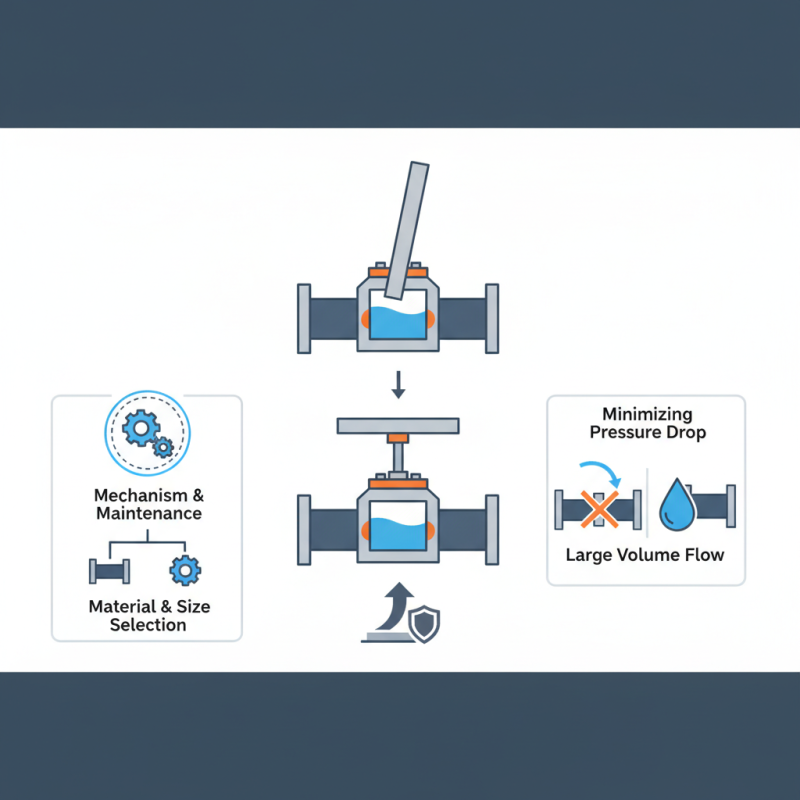
A Gate Valve is a critical component in various piping systems. It serves as a simple yet effective means to control fluid flow. This valve operates by either fully opening or completely closing the flow. It's designed to minimize pressure drop and can handle large volumes of liquid.
Understanding how a Gate Valve works is essential. The valve consists of a flat or wedge-shaped gate that moves up and down. The flow direction matters. When the gate is lifted, fluid flows freely. When lowered, the flow stops. The mechanism seems straightforward, but not all Gate Valves perform well in every situation.
Some may struggle with blockages or wear and tear. It’s important to choose the right material and size based on the application. Improper installation can lead to leaks or malfunctions. A Gate Valve is reliable, but it requires regular maintenance. Without it, the entire system may face serious issues. Exploring these aspects will help in understanding the true value of a Gate Valve.
What is a Gate Valve?
A gate valve is a commonly used device in plumbing and industrial applications. It is designed to control the flow of liquids and gases through pipelines. Unlike other types of valves, gate valves operate by raising or lowering a gate-like mechanism. This mechanism allows for a straight-line flow, offering minimal resistance to fluid movement.
Gate valves are often chosen for their ability to fully open or close. According to the American National Standards Institute (ANSI), these valves are recommended in systems where low friction and minimal pressure drop are critical. They are ideal for on/off control but are not suitable for throttling. Research indicates that improper use can lead to wear and tear, ultimately affecting performance.
Tips: Ensure that gate valves are maintained regularly. Check for leaks and signs of corrosion. A minor defect can lead to significant issues over time.
In installations, gate valves should be installed in horizontal positions whenever possible. For pipelines with different pressure levels, consider potential risks when selecting valve sizes. An unsuitable choice may compromise system integrity. Always consult relevant data when planning your installation to avoid costly mistakes.
Gate Valve Usage in Different Industries
Structure and Components of a Gate Valve
A gate valve is a crucial component in fluid control systems. Its main function is to start or stop the flow of liquids or gases. Understanding its structure helps in grasping how it operates. The core parts of a gate valve include the body, gate, stem, and actuator. The body houses the internal components and connects to the pipeline.
The gate is the element that opens or closes the valve. It can be flat or wedge-shaped. When the actuator turns the stem, it raises or lowers the gate. This motion quickly allows or restricts flow. The design is simple yet effective. However, improper use can lead to problems, such as leaks or blockages.
The materials used also matter. Some are better suited for high pressures, while others work well in corrosive environments. Regular maintenance is vital. Even a small amount of debris can hinder performance. Users must always check for wear and tear. Understanding these components enhances operational efficiency and longevity.
Working Principle of a Gate Valve
A gate valve is a crucial component in fluid control systems. It operates primarily through a wedge-shaped gate that moves up and down to regulate flow. When the gate is fully lifted, there is minimal resistance in the pipeline, allowing fluid to flow freely. When lowered, it blocks the passage, stopping the flow. Understanding this principle helps in choosing the right valve for specific applications.
Using a gate valve allows for effective isolation of your system. It should not be used for throttling as it may cause vibration and excessive wear. Instead, it excels in on/off control. Ensure that the valve is either fully open or fully closed to maintain longevity.
**Tip:** Regular maintenance is key. Inspect seals and openings for wear. This prevents leaks and ensures smooth operation. Always replace damaged components promptly.
Another reflection: not every application requires a gate valve. In some cases, a globe valve may be more suitable. Evaluate the specific needs of your system before making a decision. This not only saves costs but also enhances efficiency.
What is a Gate Valve and How Does it Work?
| Feature | Description |
| Type | Gate Valve |
| Function | Controls fluid flow in a pipeline |
| Operation | Raising or lowering a gate to open or close the valve |
| Common Materials | Brass, stainless steel, cast iron |
| Applications | Water supply, oil and gas pipelines, HVAC systems |
| Advantages | Minimal pressure drop, low flow resistance |
| Disadvantages | Slow to operate, not suitable for throttling |
| Maintenance | Regular inspection, lubrication of moving parts |
Applications and Uses of Gate Valves
Gate valves are commonly used in various industries due to their efficient design and functionality. They are ideal for on/off applications. When fully open, they provide minimal flow resistance. This aspect is crucial in water supply systems and wastewater treatment plants. Gate valves are also prevalent in oil and gas pipelines. Their ability to create a tight seal is a significant advantage. However, they are not suitable for throttling services, where flow control is needed.
In the HVAC sector, gate valves manage system pressure and flow. They allow easy isolation of different parts of the system. This is essential during maintenance or repairs. Chemical processing plants use gate valves for their durability against corrosive materials. The simplicity of their design enables easy operation and limits maintenance needs. Yet, if not properly installed, they can leak or fail, leading to significant issues.
Gate valves also find applications in power generation. They facilitate the flow of steam and water in boilers. The ability to withstand high pressures is vital in these settings. In some cases, operators find it challenging to gauge the valve position. A clear indication is necessary for safe operations. Regular checks and diligent maintenance can prevent potential failures.
Advantages and Disadvantages of Gate Valves
Gate valves are essential in fluid control systems. They are favored for their straightforward design and reliability. However, they come with both advantages and disadvantages worth considering.
One of the primary benefits is their ability to provide minimal flow restriction when fully open. According to a recent industry report, gate valves can achieve flow coefficients of 90% or higher. This is crucial in large piping systems where efficiency matters. Also, they are typically more durable than many other valve types, often lasting years with proper maintenance. Their simple structure allows for easy repair and replacement.
On the downside, gate valves are not ideal for throttling. Operating them in partially open positions can lead to vibration and erosion. Research shows that nearly 30% of valve failures are attributed to improper usage. Additionally, gate valves require significant space to operate. Their size can complicate installation in confined areas. This limitation forces designers to think creatively, which can lead to additional costs. Despite these drawbacks, gate valves remain popular in various industries.
