Low back pain affects hundreds of millions of people, making safe, practical movement guidance essential. The World Health Organization estimated that 619 million people experienced low back pain in 2020. Its 2023 guideline recommends approaches such as structured education and exercise for chronic primary low back pain. A Back Stretcher Board may offer a convenient way to explore gentle extension at home, but it is not a proven cure or a substitute for individualized care.
Use it carefully. Begin with the board on a stable floor, choose its lowest arch, and lie back slowly. Keep your knees bent and feet grounded if that feels more comfortable. Start gently. Stop if pain sharpens, spreads, or causes numbness. Comfort matters. These practical details help distinguish a mild stretch from a position your body does not tolerate.
Musculoskeletal physiotherapist and researcher Professor Peter O’Sullivan has emphasized that persistent back pain can involve more than the spine’s tissues alone; movement, health, and personal circumstances may also matter. That perspective argues against treating every sore back as a simple alignment problem. This guide explains how to position a Back Stretcher Board, adjust its intensity, and recognize when professional advice is appropriate. Evidence for these boards specifically remains limited, so results can vary. Use the board as one cautious option, not a promise of relief.
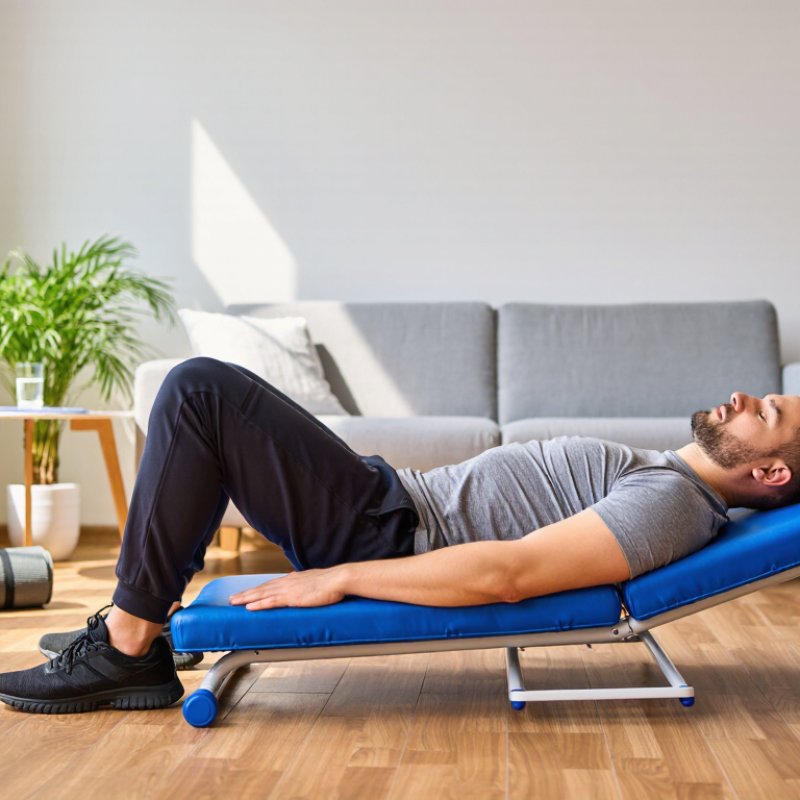
A back stretcher board uses a curved surface to support the body in a gently extended position. Most designs have a central arch, with raised edges or ridges that spread contact across the back. The arch is the main feature. Its height and firmness affect how much pressure the user feels. Some boards offer several height settings, allowing a lower, milder curve before a deeper one. Small details matter: a slippery base or sharp-feeling ridge can make a session uncomfortable.
The board’s purpose is to provide a brief, controlled stretch, not to force the spine into a fixed shape. Users usually place it on a stable floor and lie back slowly, keeping their knees bent if that feels more comfortable. The pressure should feel manageable. Stop if pain, tingling, or numbness develops, and seek professional advice when symptoms persist. A board cannot address every cause of back discomfort.
It is easy to assume that a higher arch means a better stretch. That is not necessarily true. Body shape, flexibility, and sensitivity all affect how the curve feels. A well-designed board should stay steady, have smooth contact points, and offer a usable range rather than one extreme position. The right design is the one that supports gentle movement without making the user brace or strain.
How to Use a Back Stretcher Board?
Checking Whether a Back Stretcher Board Is Right for You
A back stretcher board is not right for everyone. Consider why you want to use one, what movements trigger your discomfort, and whether a clinician has assessed persistent symptoms. The World Health Organization estimates that 619 million people experienced low back pain in 2020. That figure shows how common the problem is, not that a stretching board treats it. A noticeable stretch can feel reassuring. It does not prove the device is helping.
The WHO’s 2023 guideline for chronic primary low back pain advises against routine traction. A board is not necessarily the same as clinical traction, so this guidance cannot settle whether a particular board suits you. Still, it is a reason to keep expectations modest. If you try one, follow its instructions, use a low arch, and stop if pain sharpens, spreads, or causes tingling. Do not force your back to flatten against the curve. Seek medical advice before use if you have osteoporosis, a recent spinal injury or surgery, or unexplained worsening pain. New leg weakness, numbness around the groin, or bladder or bowel changes need urgent medical assessment. I admit, a strong stretch can feel like progress, but comfort alone is a poor measure.
Use this interactive checklist before trying a back stretcher board. Click a bar to switch between “No / unsure” and “Yes.”
How to read it: This is a personal safety checklist, not a validated score or a diagnosis. If you have new loss of bladder or bowel control, numbness around the groin, or progressive leg weakness, seek urgent medical care. If you have a recent back injury or surgery, osteoporosis, or another relevant health condition, ask a healthcare professional before use. If you do try a board, follow its instructions, start gently, and stop if pain or symptoms worsen.
Before using a back stretcher board, choose a firm, level floor such as wood or tile. Avoid thick rugs, soft carpet, and uneven surfaces that can let the board tilt or sink. Check the board for cracks, loose parts, or worn contact points before each use. Place it flat, then press gently with your hand to see whether it rocks or slides. If it moves, stop and find another spot. Flat matters.
Leave enough clear space around the board for your arms and legs; nearby furniture should not become an obstacle if you shift position. Don’t set the board on a bed, cushion, or narrow platform, even if it seems steady at first. Follow the setup instructions for your specific board, since shapes and support points vary. Start with a gentle position and keep your movements controlled. A stable surface cannot guarantee comfort, and a stretch should not create sharp pain, numbness, or tingling. Stop if those occur, and seek qualified advice when symptoms persist.
Place the back stretcher board on a firm, level floor, where it cannot slide. Check that its supports are secure before sitting down. Bend your knees and keep both feet flat. Lower yourself slowly, using your hands for support, and position the board beneath your lower or mid-back as its instructions describe. Keep your head and neck relaxed rather than resting them on a raised edge.
The position may feel unfamiliar at first. That is useful feedback, not a reason to push harder. Start with the gentlest curve or height available, and let your back settle gradually. Take calm breaths for about 30 seconds, then sit up carefully and notice how your body feels. Go slowly. A mild stretch can be expected, but sharp pain, tingling, or numbness means you should stop. Small adjustments matter: shift your shoulders or hips slightly until the pressure feels even. I would not assume that more arch means more benefit; comfort can be uneven from day to day. Follow the board’s directions, and ask a health professional before using one if you have a recent back injury, spinal condition, or surgery.
How to Use a Back Stretcher Board?
Adjusting the Stretch and Finishing Your Session Safely
Begin with the board at its lowest arch setting, especially if this is your first session. Place it on a firm, level floor, then sit in front of it and lower yourself slowly. Let your back settle against the curve rather than forcing it down. A mild stretch is enough. If you feel sharp pain, numbness, or tingling, stop and get off the board carefully.
Adjust the arch only when the current position feels comfortable. Move up one setting at a time, and keep each session brief at first. Breathe normally; holding your breath can make it harder to notice when you are straining. To finish, support yourself with your hands, roll gently to one side, and sit up slowly. Pause before standing. The transition may feel awkward, and that is a good reason not to rush.
Tips: Keep your knees bent and feet planted if that feels steadier. Don’t bounce or use the board to push through pain. Check that the board stays stable before each use. If you have a back injury, ongoing symptoms, or uncertainty about whether this device is suitable, ask a qualified health professional first. A stretch should feel controlled, not dramatic.
| Stage | Adjustment or Action | What to Expect | Suggested Timing | Safety Check |
|---|---|---|---|---|
| Prepare the area | Place the board on a firm, level, non-slip surface and check that it is assembled correctly. | The board should remain stable when you sit beside it. | Before each session | Follow the device instructions and do not use a cracked, loose, or unstable board. |
| Start with a mild stretch | Choose the lowest or least pronounced arch setting available. Sit down and lower yourself onto the board slowly. | A gentle stretch or pressure across the back may be noticeable; it should remain comfortable. | Begin with about 1 minute | Use your hands for support and avoid dropping or forcing your back onto the arch. |
| Adjust gradually | If the first position feels comfortable, change only one setting at a time, if the board allows adjustment. | A higher arch may increase the stretch. More height is not necessarily better. | Pause briefly between adjustments | Do not increase the arch if you feel sharp pain, worsening discomfort, tingling, or numbness. |
| Settle into the position | Keep your movements relaxed and breathe normally. Bend your knees or place your feet flat if that feels more comfortable. | The stretch should feel controlled and easy to stop. | Use short holds at first; follow the device instructions | Do not bounce, twist forcefully, or hold your breath. |
| Finish the stretch | Shift your weight gently, roll to one side, and use your arms to return to sitting before standing. | Moving slowly gives you time to regain balance. | Take several seconds to exit | Avoid sitting straight up abruptly or standing while light-headed. |
| After the session | Stand carefully and notice how your back feels during ordinary movement. | A mild temporary stretch sensation may occur; symptoms should not worsen. | Allow a short pause before resuming activity | Stop using the board if discomfort persists or increases, and seek professional advice when appropriate. |
| Use with extra care | Ask a healthcare professional before use if you have a back condition, recent injury or surgery, osteoporosis, or another concern that could affect safe use. | Suitability varies from person to person. | Before starting, when relevant | This table is general guidance and does not replace the product instructions or individualized medical advice. |