What is Insert Molding and Why is it Important for Manufacturers?
Insert molding is a manufacturing process that merges metal or other materials with plastic during the injection molding process. This technique presents significant advantages for various industries, including automotive, electronic, and consumer goods. According to a report by MarketsandMarkets, the global insert molding market is projected to reach $7.1 billion by 2025, reflecting a compound annual growth rate of 6.8%.
The importance of insert molding extends beyond cost efficiency; it also enhances product durability and functionality. By integrating components into a single piece, manufacturers can reduce assembly time and improve overall quality. A study from Grand View Research highlights that insert molded parts exhibit superior performance in terms of strength and resistance to wear when compared to separate parts.
Despite these advantages, manufacturers must address challenges like design complexities and material compatibility. The process requires careful planning to ensure the selected materials will bond effectively during molding. This step is crucial for achieving optimal performance and longevity in the final product. As technology advances, embracing insert molding can significantly benefit manufacturers aiming for innovation and efficiency in their product lines.
What is Insert Molding?
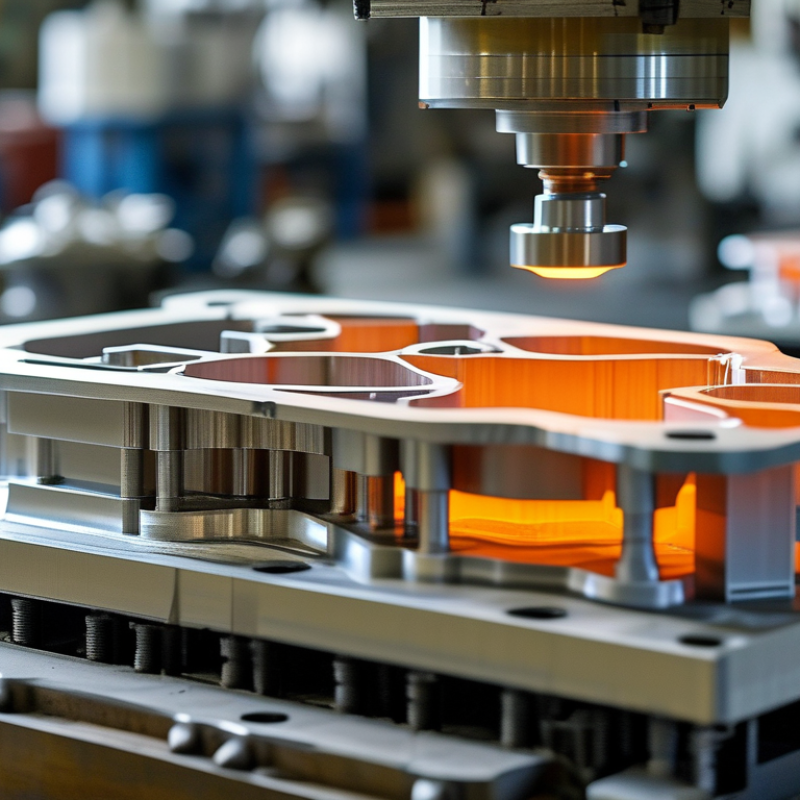
Insert molding is a manufacturing process that combines two different materials into a single component. This technique incorporates a pre-formed insert, often made of metal or thermoplastic, into a plastic part. The plastic is injected into the mold cavity around the insert, creating a tight bond. This method is popular in the automotive and electronics industries for producing complex components efficiently.
According to a report from MarketsandMarkets, the insert molding market is projected to grow at a compound annual growth rate of 6.8% from 2021 to 2026. This growth can be attributed to the need for lightweight and space-efficient components in devices. Insert molding reduces assembly time, as it eliminates the need for subsequent fastening processes. Additionally, it can enhance the durability and strength of the final product. However, achieving optimal bonding between different materials demands high precision, which poses challenges in process control.
While insert molding has many advantages, manufacturers must consider material compatibility and thermal dynamics. Not all materials bond well together, leading to potential failures in components. Monitoring these factors is essential for ensuring the success of the insert molding process. Ongoing research and development are crucial for tackling these challenges and expanding the application range of insert molding in various sectors.
The Process of Insert Molding Explained
Insert molding is a manufacturing process that combines plastic and metal components. This technique enables manufacturers to produce complex parts that are durable and efficient. During the insert molding process, pre-made metal inserts are placed into a mold. Hot plastic is then injected around these inserts. This creates a strong bond between the plastic and metal, resulting in a finished product that is ready for use.
Insert molding offers several advantages. It streamlines production by reducing the need for secondary assembly. Products come out of the mold complete, saving time and labor costs. Moreover, this process often reduces the overall weight of the part while maintaining strength. Companies can design intricate components that meet specific requirements without the challenges of traditional assembly.
When considering insert molding, pay attention to the selection of materials. The compatibility of the plastic and metal is crucial for a successful bond. It’s also important to layout the mold design properly to ensure even flow of plastic. Explore various mold designs to optimize efficiency. Be mindful of the costs associated with tooling, as they can vary widely depending on complexity.
Advantages of Insert Molding in Manufacturing
Insert molding is a manufacturing process that combines plastic injection molding with metal or other materials. This technique allows for the creation of complex parts with multiple materials in one step. The integration of different materials enhances product functionality and durability. Manufacturers can incorporate metal inserts directly into the molded plastic parts, creating strong and reliable components.
The advantages of insert molding are significant. It enhances design flexibility, allowing engineers to create intricate shapes and assemblies. This process can reduce assembly time by combining multiple steps into one operation. It also minimizes the risk of errors and inconsistencies during assembly, leading to higher quality products. Cost-efficiency is another notable benefit. Fewer components mean lower production costs and less waste.
When considering insert molding, thoughtful design is crucial. Ensure that the insert geometry aligns with the plastic material used. Testing different insert materials can help gauge compatibility and performance. It is essential to evaluate the production volume for cost-effectiveness, as smaller batches may not benefit as much. Keeping these details in mind can optimize the insert molding process and improve overall outcomes.
Advantages of Insert Molding in Manufacturing
Applications of Insert Molding in Various Industries
Insert Molding is a manufacturing process combining plastic injection and metal or other materials. It has significant applications across various industries. This method is particularly useful in automotive production. Manufacturers embed metal components within plastic parts, ensuring strength and durability. For example, car dashboards often feature insert molded components that enhance aesthetics while maintaining functionality.
In the electronics sector, insert molding plays a crucial role in producing protective housings and connectors. It allows for precise integration of electronic circuits into plastic enclosures. This method offers a reliable solution to ensure that devices are both safe and efficient. Products such as smartphones demonstrate how insert molding provides seamless integration and durability in design.
Medical devices benefit greatly from insert molding. Components made using this technique can withstand sterilization processes. They must meet strict regulatory standards. However, imperfections can occur during production. These need careful monitoring to ensure reliability. Despite its advantages, manufacturers sometimes face challenges in scaling up production or achieving uniform quality. Continuous improvement is necessary to address these issues effectively.
The Future of Insert Molding Technology and Trends
Insert molding is evolving, becoming increasingly relevant for manufacturers. This process integrates metal or other components into plastic parts, enhancing product durability and functionality. As industries demand more precise and complex parts, insert molding meets these needs effectively. Advanced automation in molding machinery allows for quicker production cycles, reducing lead times.
Emerging trends show a shift towards sustainable materials in insert molding. Manufacturers are exploring bio-based plastics and recyclable components. This trend addresses the growing focus on environmental responsibility among consumers. Integration of smart technologies, such as IoT sensors in molds, is also on the rise. These innovations monitor quality in real-time, thus minimizing waste and improving efficiency.
Despite progress, challenges remain. Manufacturers face high initial setup costs for advanced technologies. Training staff to operate these systems adds another layer of complexity. The industry must balance innovation with cost-effectiveness. As the landscape of insert molding continues to change, companies must adapt their strategies to remain competitive.