Top 10 Circular Knitting Machine Manufacturers in 2026
A Circular knitting machine can shape a mill’s productivity, fabric quality, and operating costs for years. Yet choosing a manufacturer is rarely as simple as comparing headline speeds. Gauge, cylinder diameter, feeder configuration, yarn type, and intended fabric all affect whether a machine fits a production line. Small details matter.
This 2026 guide introduces ten manufacturers serving the circular knitting industry and outlines factors buyers can investigate before requesting quotations. These include machine range, automation options, technical support, spare-parts availability, and experience with specific applications. A supplier’s published specifications are useful, but they do not tell the whole story. Ask for fabric samples, confirm service coverage in your region, and discuss realistic output using your own yarn and operating conditions.
The strongest choice depends on the mill, not a universal ranking. A compact operation producing a narrow range of fabrics may value straightforward setup and dependable local support. A larger facility may focus more on changeover time, production monitoring, and integration with existing equipment. Some comparisons will remain imperfect: product lines change, and performance varies with maintenance and operator skill. That is worth acknowledging. Use this overview as a starting point, then verify current specifications and discuss your requirements directly with each manufacturer.
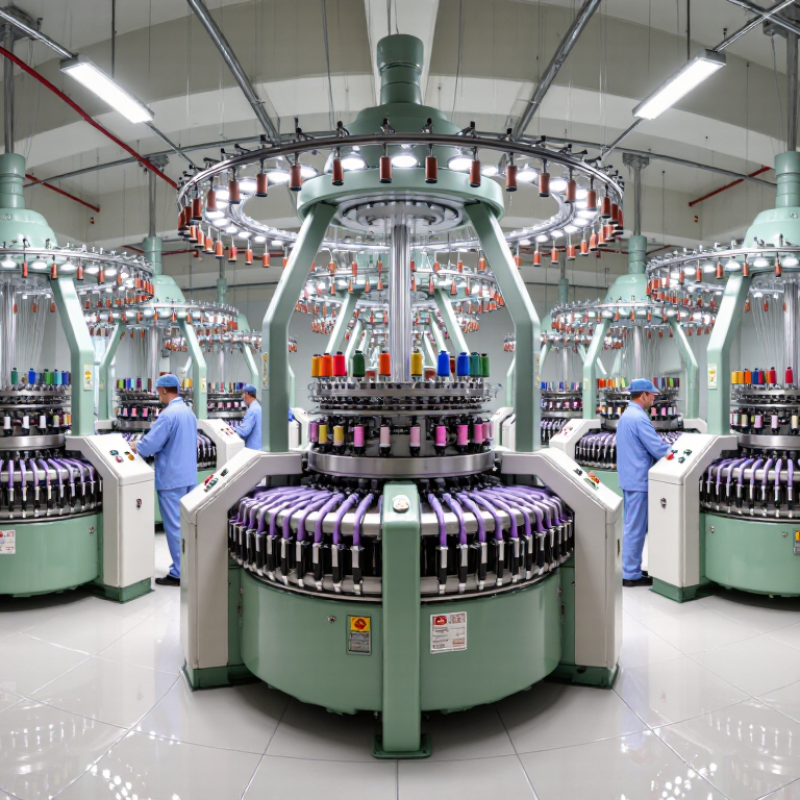
Circular Knitting Machines: Scope and Industrial Applications
Circular knitting machines form fabric by feeding yarn into rotating needle systems. Needles interloop yarn continuously, producing tubular fabric at high output. Machine scope varies by diameter, gauge, feeder count, and needle arrangement. Single-jersey systems suit lightweight, stretchy fabrics; rib and interlock configurations create denser structures with different recovery and surface character. Operators match yarn and machine settings to the intended fabric, then check loop length, tension, and take-down. Small details matter. A slight tension shift can leave visible lines or uneven width after finishing.
In apparel, circular knits are used for T-shirts, underwear, sportswear, leggings, and sweatshirt fabric. Their stretch and drape suit close-fitting garments, while rib structures often appear at cuffs and neckbands. Home-textile producers use heavier constructions for mattress covers, upholstery, and blankets, depending on machine size and finishing needs. Technical applications include filter media, spacer fabrics, and selected hygiene or healthcare textiles. Each requires testing for properties such as pore size, strength, and cleanliness. Output is only part of the decision. Energy use, changeover time, yarn waste, and maintenance access also affect production costs. A machine can run fast, but unstable yarn feeding or frequent stops can erase that advantage. Factory trials help reveal how fabric changes after dyeing, heat setting, and garment cutting.
Criteria for Evaluating Manufacturers in 2026
Choosing a circular knitting machine manufacturer in 2026 means checking performance under real production conditions, not just advertised speed. Request trial data for your yarn, fabric structure, gauge, and target machine speed. Measure fabric weight variation, needle damage, downtime, and usable output across a full shift. Small differences matter. A machine that runs smoothly for an hour may behave differently after a full day.
Textile Exchange’s Materials Market Report 2024 estimates global fiber production reached 124 million tonnes in 2023, with growth projected to 160 million tonnes by 2030. That outlook makes flexibility important: ask how quickly a machine can change structures and handle different yarn counts. ITMF’s Global Textile Industry Survey tracks capacity utilization and order trends, useful context when testing supplier output claims. Compare energy use per kilogram of finished fabric, spare-parts lead times, technician response, and operator training. Ask for written test conditions. A neat demonstration is not enough. I would also verify service records with existing users; this step takes time, and the evidence may be uneven.
Top 10 Circular Knitting Machine Manufacturers in 2026
A 2026 comparison of the top 10 circular knitting machine manufacturers should look beyond speed claims. Buyers need to assess fabric range, gauge options, needle access, and the time required for style changes. On a factory floor, a machine that runs reliably through a long cotton jersey order may still struggle with a delicate rib structure. Ask for trial-knit samples using your actual yarn and target settings. Small details matter.
Industry data also calls for a measured view of demand. ITMF’s International Textile Machinery Shipment Statistics reported that
global shipments of large circular knitting machines declined by 27% in 2023.
That downturn suggests manufacturers should be judged on service support and upgrade flexibility, not just sales momentum. Compare energy use per kilogram of fabric, spare-part lead times, and operator training plans. Published specifications rarely show the full cost of stoppages.
Tips: Request a production trial and record output, fabric defects, and changeover time. Check how quickly local technicians can respond. One overlooked issue: a technically strong machine may not suit your team’s maintenance skills. Rank suppliers against the same checklist, and verify every performance claim with documented test conditions.
Comparing Product Ranges, Technologies, and Global Markets
Comparing the ten leading circular knitting machine manufacturers in 2026 means looking beyond headline speed. Product range is the first useful measure. Some suppliers focus on single-jersey machines for lightweight T-shirts, while others offer rib, interlock, and electronic jacquard systems. That breadth matters when a mill switches between cotton, viscose, and blended yarns. Check cylinder diameter, gauge options, feeder count, and fabric take-down controls against the actual order book. A broad catalog is not automatically a better fit.
Technology comparisons should stay practical. Electronic needle selection can improve pattern flexibility, while stable lubrication, accessible sensors, and clear fault displays affect daily uptime. Ask for sample-fabric trials at the intended gauge and yarn count; a polished demonstration may not reflect a full shift. Small details matter. Energy use, spare-part lead times, technician coverage, and operator training shape the real cost of ownership. These factors vary by market. Export-oriented factories may prioritize remote diagnostics and standardized components, while smaller regional mills may value local service and simpler controls. Published specifications help, but independently checking output, defect rates, and maintenance records is wiser. There is no perfect ranking. Even a capable machine can disappoint when yarn quality, workflow, or service access is overlooked.
Key Factors in Selecting a Circular Knitting Machine Manufacturer
Selecting a circular knitting machine manufacturer starts with the fabric you need to produce, not the machine catalogue. Confirm the required diameter, gauge, number of feeders, and yarn range against real production plans. A fine-gauge setup for lightweight fabric may not suit heavier yarns or frequent style changes. Ask for sample fabric made with comparable yarn and settings. Inspect loop consistency, fabric width, and any visible defects. Ask for evidence.
Production reliability depends on more than the machine’s rated speed. Request details on routine maintenance, wear parts, lubrication, and expected service intervals. Check whether technicians can diagnose issues remotely and how quickly essential parts can be supplied. A clear answer is useful; a vague promise is not. Small details matter. For example, confirm which tools operators need for a needle change and whether training includes setup adjustments, not just basic operation.
Compare manufacturers using the same questions and acceptance criteria. A factory visit can reveal practical points that brochures omit, such as access around the machine, noise, and how neatly cables and yarn paths are arranged. Ask to speak with users running similar fabrics, then verify their comments against your own trial. Price deserves attention, but so do downtime, operator learning time, and the cost of replacing parts. No supplier can remove every production risk. A careful test may still miss a problem that appears only after months of continuous use.
Circular Knitting Machine Selection: Gauge and Needle Pitch
A manufacturer-independent reference for comparing one important machine specification.
Needle pitch is calculated as 25.4 mm divided by gauge, where gauge is expressed as needles per inch. These are mathematical conversions for selected gauges, not manufacturer-specific measurements. Confirm gauge definitions and machine specifications with each supplier.
