Top 10 Benefits of Rapid Prototype Injection Molding for Buyers?
Rapid prototype injection molding is transforming the product development landscape. Industry expert Dr. James Carter emphasizes, "It brings ideas to life faster than ever before." This method allows designers to create functional prototypes quickly, providing crucial insights early in the design process.
The excitement surrounding rapid prototype injection molding lies in its efficiency. It enables companies to test concepts, reduce production costs, and enhance product quality. By shortening the time from design to market, businesses can respond swiftly to customer needs. Yet, it is essential to recognize that while speed is an advantage, quality control must not be overlooked.
Many buyers may find themselves overwhelmed by the rapid pace of development. They must weigh the urgency of getting their product to market against the risks of potential flaws. Being mindful of these challenges is key to making informed decisions. The rapid prototype injection molding process is powerful, but the outcomes hinge on careful planning and execution.

Benefits of Rapid Prototype Injection Molding in Product Development
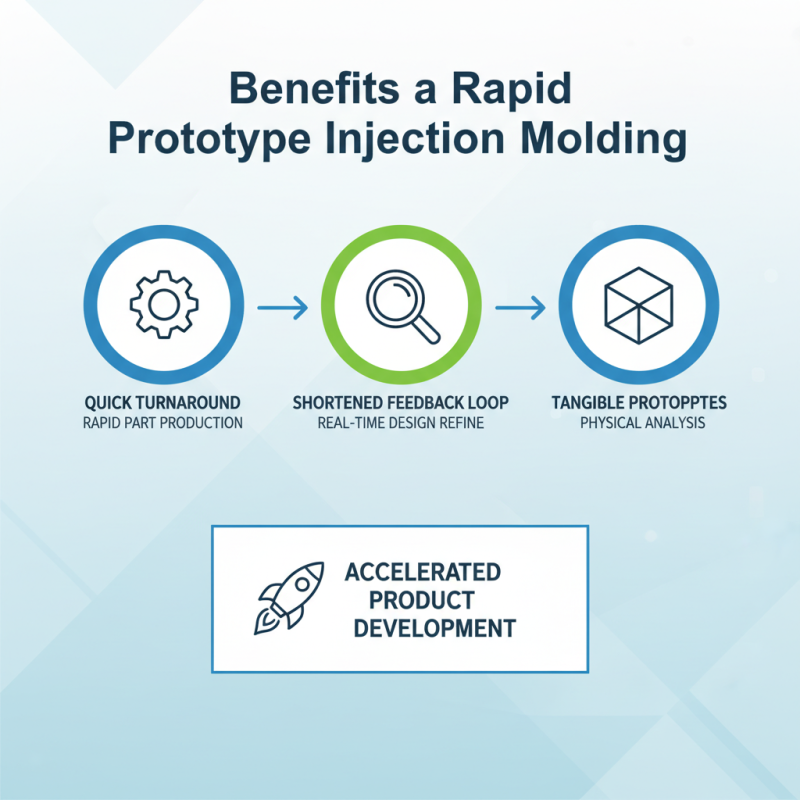
Rapid prototype injection molding plays a significant role in product development. It allows for quick turnaround times, enabling designers to produce parts rapidly. This method shortens the feedback loop. Designers can test and refine their products almost in real time. It creates a tangible prototype to analyze physical characteristics.
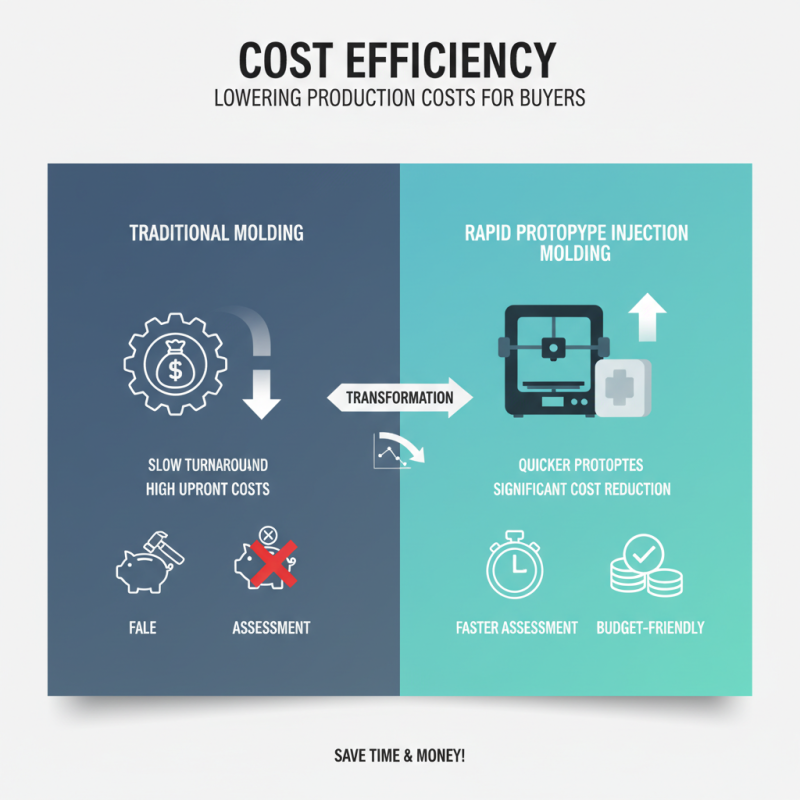
The cost-effectiveness of this technique is notable. Producing small batches is often cheaper compared to traditional methods. Buyers can save money while refining designs. However, the quality may not match mass production standards. Flaws might occur due to the rapid nature of the process. Iteration is essential to address these issues, making continuous improvement vital.
Furthermore, the ability to explore diverse materials enhances design flexibility. Buyers can evaluate different options to see which best meets their needs. At times, material choices can impact structural integrity. Testing prototypes allows for adjustments, but this requires careful analysis. Balancing speed and quality may pose challenges. It’s crucial to ensure that rapid prototyping aligns with overall product goals.
Speedy Turnaround: Reducing Time from Concept to Market
Rapid prototyping through injection molding offers significant benefits for buyers, especially regarding speed. A speedy turnaround from concept to market is crucial. The ability to create prototypes quickly allows for faster iterations, enabling better designs and adjustments before the final product launch. This leads to reduced lead times, allowing businesses to remain competitive.
One essential tip for buyers is to clearly define project requirements upfront. This clarity can limit misunderstandings and reduce the number of revisions needed. Efficient communication with your manufacturing partner is key. An open dialogue encourages collaboration and can shave off valuable time.
Another consideration is material selection. Choosing the right materials early can impact both production speed and cost. Understanding properties like strength and flexibility can save both time and effort later in the process. Be prepared for unexpected challenges. Sometimes, designs may not hold up during testing, requiring rework. A flexible approach allows for quick pivots while still maintaining momentum.
Enhanced Design Flexibility: Allowing for Iterative Adjustments
Rapid prototype injection molding offers significant advantages for buyers, particularly when it comes to design flexibility. This method allows for quick iterations, making it easier to test out various design ideas. With rapid prototyping, manufacturers can take feedback and apply changes swiftly. This is crucial in a market that often demands fast turnaround times. Designers can explore multiple avenues without incurring massive costs or delays.
One tip for buyers is to communicate openly with engineers. Sharing design ideas helps in understanding what is feasible. Clarity ensures that prototype adjustments align with project objectives. When changes are made, they should be tested immediately. Rapid prototyping is most effective when learning loops are short.
Consider maintaining a flexible mindset during the development phase. Embrace the possibility of failure as part of the process. Prototypes may not always meet initial expectations. However, each iteration provides valuable insights that can inform subsequent designs. This approach cultivates innovation and leads to more refined products over time. Keep refining until the best solution emerges.
Improved Final Product Quality: Ensuring Precision and Consistency
Rapid prototype injection molding offers numerous advantages, particularly in ensuring improved product quality. Precision in the manufacturing process is key. Each mold can be crafted with meticulous attention to detail. This results in components that fit perfectly and function reliably. Consistency is another vital aspect. Controlling variables during production leads to uniformity across multiple units, reducing the likelihood of defects.
However, achieving this level of precision requires significant expertise. The design process can be complex, demanding careful analysis of materials and methods. Even minor errors can lead to substantial shifts in quality. Buyers must engage experienced professionals to avoid costly mistakes. Quality assurance must evolve alongside production. Regular testing and adjustments may be necessary to maintain standards.
Not every attempt yields perfect results. Sometimes, prototypes may not meet expectations. This is a learning opportunity. Identifying flaws in the early stages allows for refinement before mass production. Such reflective practices are essential in maintaining high standards of quality. The goal is to create products that not only meet but exceed market demands.