Top 10 Stamping Press Machine Manufacturers You Should Know?
The Stamping Press Machine industry has seen significant advancements in recent years. According to a report from Market Research Future, the global stamping press market is expected to grow at a compound annual growth rate (CAGR) of 5.3% from 2022 to 2028. This growth highlights the increasing demand for efficient manufacturing processes across various sectors, such as automotive and consumer electronics.
As companies seek to enhance productivity, the reliability of stamping press machines becomes critical. These machines not only improve output but also ensure precision in metal forming. However, choosing the right manufacturer can be challenging, given the market's diversity and the wide range of technologies available. Many industry experts emphasize the importance of selecting manufacturers that prioritize innovation and quality control.
There are numerous options available in the market, each with its strengths and weaknesses. Some manufacturers focus on high-volume production, while others cater to specialized requirements. Understanding these differences is vital in making an informed choice. This article will explore the top ten stamping press machine manufacturers you should know about, providing insights into their capabilities and contributions to the industry.
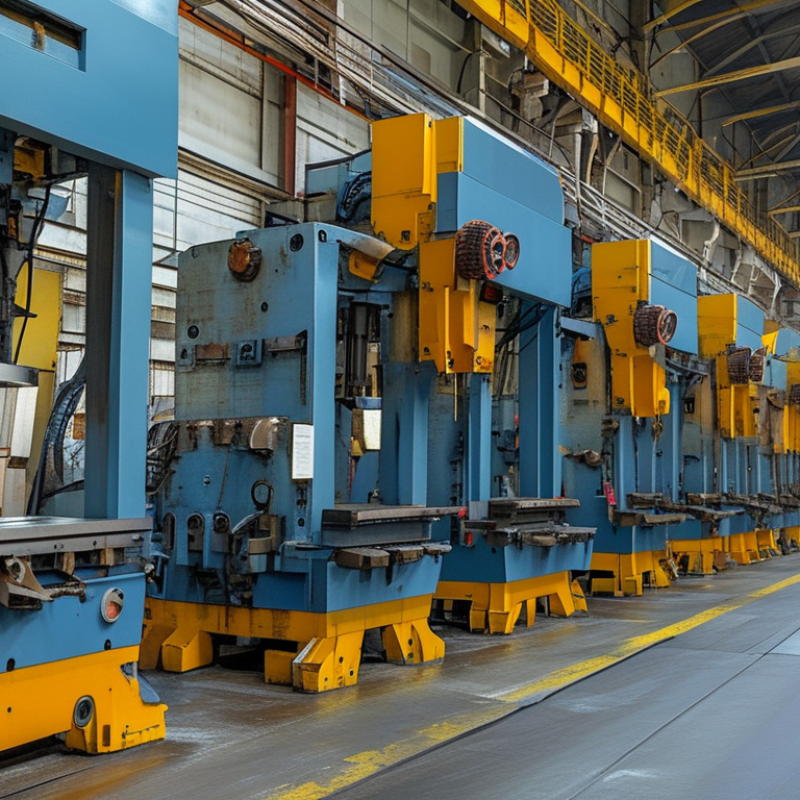
Overview of Stamping Press Machines and Their Applications
Stamping press machines play a crucial role in various industries, including automotive, electronics, and appliance manufacturing. These machines are designed to convert raw material, often in the form of sheets, into finished products through the application of pressure. According to a market research report by Grand View Research, the global stamping press market is anticipated to reach approximately $22 billion by 2026, driven by technological advancements and increasing demand for efficiency.
In automotive manufacturing, stamping presses are essential for mass-producing parts like brackets and panels. Automation and precision have revolutionized this process, significantly increasing production rates. For instance, a single stamping press can produce thousands of parts per hour, which speaks to their efficiency. However, the industry faces challenges, such as the need for skilled operators and maintenance issues that arise with high operational demands.
Moreover, the environmental impact of stamping operations cannot be overlooked. Waste production and energy consumption remain significant concerns. Manufacturers are actively seeking ways to optimize their processes, utilizing advanced technology to reduce waste and improve energy efficiency. This transition, while necessary, requires substantial investment and training, illustrating that there is still room for growth and improvement in the industry.
Criteria for Selecting Top Stamping Press Machine Manufacturers
When selecting a stamping press machine manufacturer, expertise matters. Look for companies with years of experience in the industry. They should have a proven track record of delivering reliable and innovative machinery. Experienced manufacturers understand fluctuating market needs and can adapt their product lines accordingly.
Next, consider the quality of materials used in the machines. A robust build is essential for longevity and consistent performance. Check if the manufacturer offers warranties. This indicates confidence in their products. Reviews from past customers can provide insights into durability and service quality.
Also, evaluate their customer support. Good manufacturers offer comprehensive service agreements. They should provide timely assistance and spare parts availability. Some manufacturers may excel in production but falter in service. It’s wise to seek feedback from users regarding their experiences. Strong communication channels enhance reliability. Always remember: not every manufacturer meets all criteria perfectly.
In-Depth Profiles of Leading Stamping Press Machine Manufacturers
The stamping press machine industry is evolving rapidly, driven by technological advancements and market demands. According to recent industry reports, the global stamping machine market is projected to reach USD 10 billion by 2027, growing at a CAGR of 5.5%. This reflects the increasing reliance on automated solutions in manufacturing processes.
Leading manufacturers are adapting to new challenges. Some specialize in high-speed solutions, while others focus on energy-efficient machines. This differentiation is important. The shift to electric stamping presses, as outlined in market analyses, shows a 30% increase in interest among manufacturers seeking to reduce energy costs.
Yet, gaps remain in the what’s the equipment's adaptability. Some machines struggle with complex designs or materials, highlighting a need for innovation. Additionally, the quality control processes in many facilities still lack rigorous standards. Addressing these inconsistencies is crucial for future competitiveness. Investing in better training and technology is necessary to meet evolving customer expectations while maintaining operational integrity.
Innovations and Technologies in Modern Stamping Press Machines
Modern stamping press machines have undergone significant transformations, driven by innovations in technology. Manufacturers are now focusing on automation and precision to enhance productivity. Advanced sensors and software optimize the stamping process. This leads to reduced waste and improved quality control. Moreover, real-time data analytics provide insights that help operators make informed decisions.
Energy efficiency is another critical area of innovation. Modern machines incorporate eco-friendly practices, minimizing energy consumption during production. However, some designs still struggle with reliability. Smaller manufacturers may face challenges in adopting these advanced technologies, raising questions about sustainability in the stamping industry.
As the demand for customization grows, some machines are becoming more adaptable. This flexibility allows for varied production runs without extensive downtime. Yet, the complexity of these innovative features can lead to operational issues. Balancing innovation with practicality remains a challenge for many. The industry needs to reflect on how to further streamline processes while embracing new technologies.
Market Trends and Future Outlook for Stamping Press Manufacturing
The stamping press manufacturing sector is evolving rapidly. Recent studies indicate a projected growth rate of around 5.8% from 2023 to 2028. As industries increasingly demand precision engineering and automation, the focus has shifted to more efficient stamping processes. The integration of advanced technologies, like AI and IoT, is transforming traditional manufacturing landscapes.
Tips: Embrace innovation. Explore how adopting new technologies can enhance operational efficiency.
Environmental sustainability is becoming a core concern in stamping press manufacturing. Manufacturers are investing in eco-friendly practices. Reports show a 20% reduction in energy consumption for compliant equipment. Many companies are also seeking ways to minimize waste, aiming for a circular economy approach to production.
Tips: Assess your operations. Regular evaluations can identify areas for waste reduction and energy efficiency.
The future looks promising yet challenging. Qualifying suppliers will prioritize quality and service. The need for skilled labor is increasing, making workforce development crucial. Continuous training programs must be established to keep up with technological advancements.
Tips: Prioritize training. A knowledgeable workforce drives innovation and efficiency.
