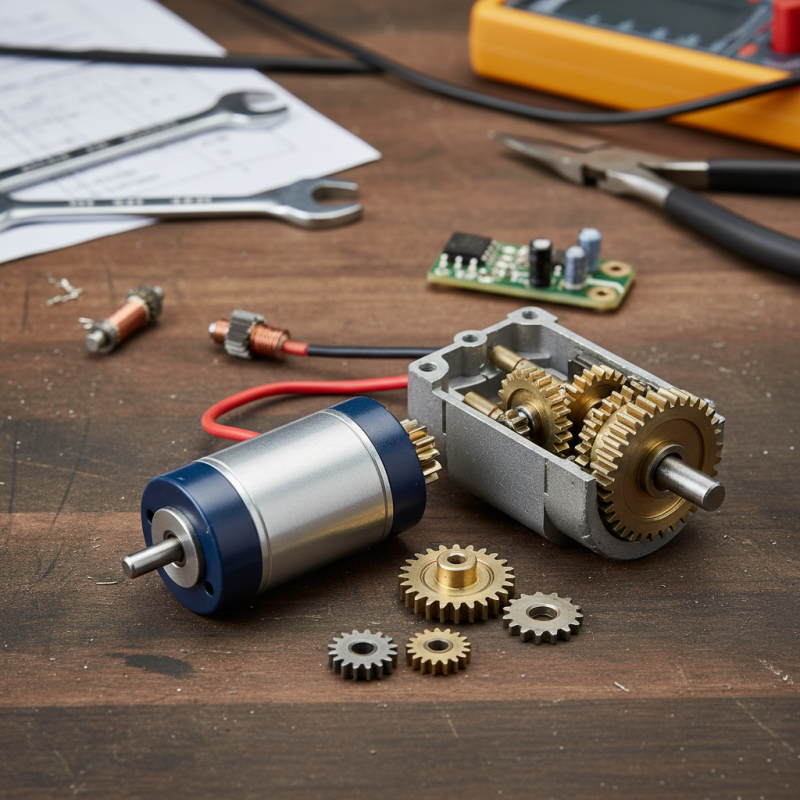
What is a Valve DC Gear Motor and How Does It Work?
A Valve DC Gear Motor is a crucial component in various mechanical systems. It combines the functions of a motor and a gearbox in a compact unit. The gear motor converts electrical energy into mechanical energy, providing precise control over motion.
These motors are widely used in applications requiring consistent torque and speed. They excel in automation, robotics, and valve control. The construction of a Valve DC Gear Motor involves high-quality materials for durability. However, improper power supply can lead to performance issues.
Understanding how these motors work is essential for optimal use. It involves recognizing the gear reduction ratio and the importance of correct installation. Many users may overlook maintenance, which affects longevity. Reflection on these details will improve usage and enhance efficiency.
What is a Valve DC Gear Motor?
A Valve DC Gear Motor is a device that combines a direct current (DC) motor with a gear system. This motor is specifically designed for controlling valves in various applications. It allows precise movement and can adjust the opening and closing of valves accurately. These motors are crucial in sectors like water treatment, HVAC systems, and industrial automation.
The DC gear motor operates by converting electrical energy into mechanical energy. Its gears reduce the speed of the motor while increasing torque. This mechanism is vital for tasks requiring high power and controlled motion. Users must ensure compatibility with their specific valve systems. Incorrect connections can lead to malfunction. It's also essential to consider the load it will handle. Overloading can cause overheating and damage.
In practice, these motors sometimes present challenges. Parts may wear out quicker than expected, especially in high-use environments. Regular maintenance is key for longevity. Sometimes, users may need to recalibrate the motor for optimal performance. This process can be time-consuming but is necessary for reliable operation. Understanding these aspects is critical to maximizing the efficiency of a Valve DC Gear Motor.
Basic Components of a Valve DC Gear Motor
A Valve DC Gear Motor combines a direct current (DC) motor with a gearbox. This setup allows it to produce high torque at low speeds. The design is vital in applications such as robotics and automation. It’s crucial to understand the basic components that define its function and efficiency.
The main components include the DC motor, gearbox, and control system. The DC motor converts electrical energy into mechanical energy. It typically operates at a low voltage, reducing energy consumption. The gearbox is essential for adjusting speed and torque levels. According to a recent industry report, gear motors can increase torque efficiency by up to 50%, depending on the gear ratio. Control systems manage the motor's operation. A simple system can adjust speed and direction with basic input.
In practice, the integration of these components can be challenging. Variability in motor performance can affect precision in robotic tasks. Additionally, incorrect gear selection may lead to performance issues. Many users might overlook regular maintenance, leading to premature wear. Understanding these factors is essential for optimizing the use of Valve DC Gear Motors in various applications.
How a Valve DC Gear Motor Operates
A Valve DC gear motor is a compact device that combines a DC motor with a gear system. This unique setup allows for precise control of speed and torque. The valve mechanism is typically integrated, enabling the motor to adjust fluid flow in applications like hydraulic systems or automated valves.
When the DC motor receives power, it rotates the output shaft. The gear system reduces the motor speed while increasing torque. This is crucial for tasks that require heavy lifting or precise movements. The design often includes a feedback mechanism. This ensures accurate positioning and response to commands. A common challenge here is achieving the right balance between speed and torque. Too much torque can strain the system, while insufficient torque can lead to failure.
In practical applications, users must consider several factors. The type of gear, the power supply, and the load conditions all influence performance. Clarity in these components helps in optimizing operations. However, finding the ideal specifications can be a trial-and-error process. Miscalculations may lead to increased wear or inefficiencies. Understanding these details is vital for improving system reliability and performance.
Applications of Valve DC Gear Motors
Valve DC gear motors are versatile devices used across various applications. They play an essential role in industries such as automation, robotics, and automotive systems. According to industry reports, the market for DC gear motors is expected to grow significantly, with a projected compound annual growth rate (CAGR) of 4.5% from 2023 to 2028. This highlights their increasing importance in modern technologies.
In robotics, these motors provide precise control and torque. They are crucial for the movement of robotic arms and mobile platforms. In the automotive sector, valve DC gear motors help in power steering and window mechanisms. Medical equipment also relies heavily on these motors. Their reliability and efficiency support critical functions in devices like hospital beds and imaging machines.
Tips for choosing a valve DC gear motor:
1. Understanding torque requirements is vital. Always consider the load your motor will handle. It’s essential not to underestimate the necessary power.
2. Selecting the right gear ratio can optimize performance, offering a good balance between speed and torque.
3. Remember, mismatched specifications may lead to system inefficiencies. Regular maintenance of these motors is also crucial. Neglecting this can cause performance drops over time.
Advantages of Using Valve DC Gear Motors
Valve DC gear motors offer several advantages that make them appealing for various applications. Their compact design allows for easy integration into tight spaces. These motors provide excellent torque at low speeds. This is crucial in applications where precision is key, such as robotics and automation. The combination of a DC motor with a gear reduction system results in better efficiency. This efficiency reduces energy consumption, a vital factor in many settings.
Another significant advantage is their soft start capability. This means the motor can gradually increase speed, which helps to prevent damage. It also ensures smoother operation, minimizing wear and tear on connecting components. Moreover, they are versatile. You can find them in a wide range of devices. However, it’s essential to consider the specific needs of your project. Overestimating the power requirement can lead to unnecessary complexity or underperformance. Finding the right balance is crucial for optimal functionality.