What is a Well Control Box and Why is it Essential?
In the oil and gas industry, safety is paramount. A Well Control Box plays a crucial role in this regard. According to the International Association of Drilling Contractors (IADC), well control incidents can lead to devastating consequences, including environmental damage and loss of life. This underscores the importance of having effective control systems in place.
The Well Control Box allows operators to manage pressure during drilling operations. Statistics indicate that around 60% of blowouts are preventable with proper well control systems in place. Without a Well Control Box, operators face increased risks. This tool is vital for monitoring and responding to unusual pressure changes, ensuring the safety of personnel and equipment.
Despite advancements, many operators still lack a comprehensive understanding of well control technologies. This gap can lead to serious incidents. Emphasizing training and regular maintenance of the Well Control Box can enhance safety measures. Addressing this issue is essential for the industry as it strives for zero incidents. Investing in well control systems reflects a commitment to operational excellence and environmental stewardship.
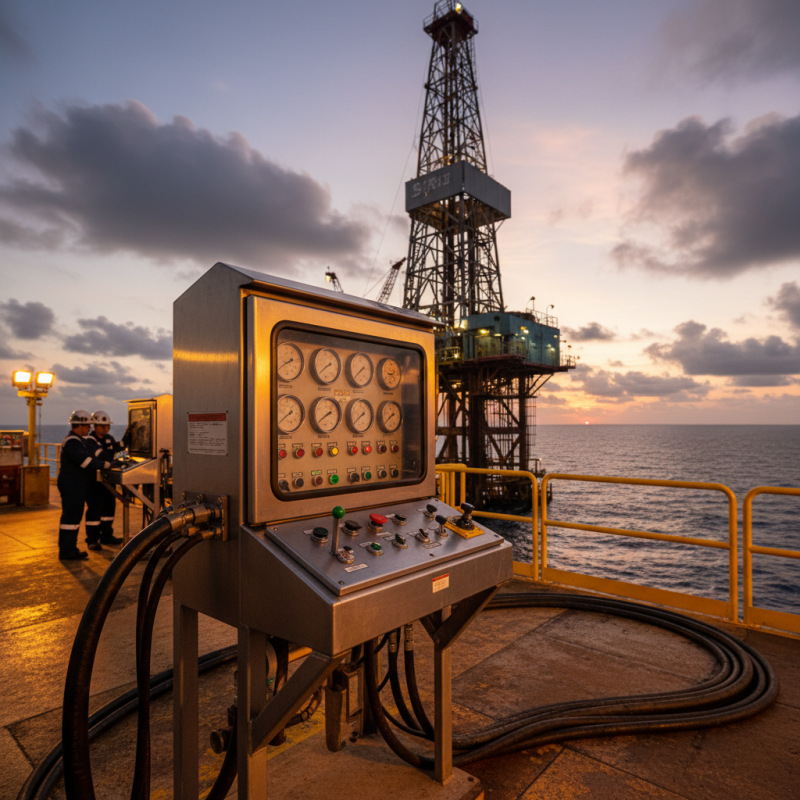
What is a Well Control Box?
A Well Control Box, often referred to in the industry as a control panel, is a critical component in drilling operations. It allows operators to monitor and control various functions related to well control. This includes managing pressure, flow rates, and other parameters essential for maintaining safety during drilling operations. According to the International Association of Drilling Contractors (IADC), over 25% of well failures are attributed to inadequate control measures.
This box typically houses valves, gauges, and other instrumentation. Operators can quickly respond to unwanted pressure or fluid influxes, minimizing risks. In recent reports, data indicates that effective use of such boxes can reduce incidents by up to 40%. The construction quality of a Well Control Box can significantly influence its effectiveness, and not all boxes meet the industry standards.
However, the influence of human factors cannot be ignored. Improper training or complacency in using the tools can lead to serious consequences. Some operators might undervalue the significance of routine maintenance checks. Such oversights can render even the best-designed control systems ineffective. Studies show that human error contributes to approximately 70%-80% of incidents in drilling operations. Continuous education and thorough training are essential to mitigate these risks.
Components of a Well Control Box
The Well Control Box is a critical component in managing well integrity during drilling operations. It contains essential elements like the blowout preventer (BOP), pressure gauges, and control valves. The BOP serves as the first line of defense against uncontrolled releases of oil or gas. According to a report by the International Association of Drilling Contractors, effective blowout preventer systems can reduce drilling incidents by up to 60%.
Pressure gauges provide real-time information about well conditions. Understanding pressure levels helps drill operators make informed decisions. Properly functioning gauges can prevent catastrophic failures, a common issue in the industry. Control valves ensure that operators can quickly respond to emergencies. Operators typically train extensively on these systems, yet accidents still occur due to human error or equipment failure.
While the technology has advanced, challenges remain. Equipment maintenance is often overlooked in high-pressure environments. A report from the Society of Petroleum Engineers noted that 30% of operational downtimes are a result of equipment malfunction. This highlights the need for constant vigilance and regular assessments of well control systems. Investing in training for personnel is vital. Continuous education can address gaps in knowledge that lead to mistakes in high-stakes situations.
How Does a Well Control Box Function?
A well control box is a vital component in drilling operations. It functions as a safety system designed to manage and control pressure in wellbores. The box typically includes controls for blowout preventers (BOPs) and other important safety devices. These components work together to prevent uncontrolled flows of fluids from the well.
When the pressure in a wellbore becomes too high, the well control box activates the BOPs to seal the well. This rapid response is crucial in avoiding blowouts, which can result in catastrophic incidents. According to the International Association of Drilling Contractors, blowouts account for a considerable percentage of accidents, underscoring the need for effective well control systems.
Tip: Regular training for personnel operating well control boxes is essential. Simulations can improve response times in real scenarios.
The system relies on hydraulic pumps and valves to function correctly. Each component must be maintained properly to ensure the system works under pressure. Industry reports indicate that 20% of well control failures are due to inadequate maintenance or improper operations.
Tip: Implementing routine checks can prevent potential failures in the well control system. Basic inspections should happen before drilling begins and follow established protocols diligently.
What is a Well Control Box and Why is it Essential? - How Does a Well Control Box Function?
| Feature | Description | Importance |
| Pressure Control | Maintains the pressure within the well at safe levels to prevent blowouts. | Essential for safety and operational efficiency during drilling. |
| Automated Systems | Utilizes automatic monitoring and control systems to manage well conditions. | Reduces human error and enhances response times to anomalies. |
| Real-Time Monitoring | Collects and displays data on well conditions continuously. | Allows for immediate actions to be taken when issues arise. |
| Emergency Shutdown | Facilitates rapid shutdown of operations in case of an emergency. | Critical for preventing catastrophic events during drilling operations. |
| Training & Support | Provides operators with the necessary training and resources to manage the system effectively. | Ensures operators are prepared for handling various well control scenarios. |
Importance of a Well Control Box in Oil and Gas Operations
A Well Control Box is crucial in oil and gas operations. It acts as the primary safety control for managing wellbore pressure. During drilling, maintaining the right pressure is essential. Data shows that over 65% of drilling incidents relate to pressure management failures. This emphasizes the necessity of a reliable Well Control Box.
Incorporating a Well Control Box improves operational safety significantly. According to the International Association of Drilling Contractors, proper well control systems can reduce blowout risks by up to 80%. This reduction is vital, as blowouts can lead to environmental disasters and financial losses. Regular testing is essential to ensure functionality. Reports indicate that 20% of failures are due to inadequate maintenance practices.
Training personnel to effectively use the Well Control Box is equally important. A well-trained team can respond swiftly to incidents. Studies show that companies investing in training see a 30% decrease in operational incidents. Emphasizing education and consistent practice can prepare staff for unexpected challenges in the field. The combination of technology and skilled operators creates a safer working environment.
Importance of a Well Control Box in Oil and Gas Operations
Safety Protocols Associated with Well Control Boxes
Well control boxes are crucial in managing the pressures of underground reservoirs during drilling. They help prevent blowouts by providing operators with essential data. This data is vital for making informed decisions. However, how well the protocols are followed can vary.
Safety protocols associated with well control boxes are not just guidelines; they are lifelines. Each operator must be trained rigorously. Regular simulations enhance preparedness. Yet, mistakes can happen. Some workers may overlook checklists, leading to dangerous situations. Investigations frequently highlight the need for better training and adherence.
In emergencies, the well control box must function flawlessly. Real-time monitoring is critical. If a pressure spike occurs, extensive protocols should kick in immediately. Teams must communicate quickly. Coordination failures can lead to disastrous outcomes. Continuous reviews of safety protocols are necessary to identify gaps. Each incident offers a chance for improvement.
