7 Best Small Run Plastic Injection Molding Companies

Choosing a small run plastic injection molding partner is not simply a search for the lowest tooling quote. Short production runs still depend on sound part design, reliable process control, and clear communication. A mold may produce only a few hundred parts, yet a poorly chosen gate or inconsistent cooling can still leave visible defects. Small orders deserve careful engineering.

John Beaumont, an injection-molding author and educator, has written extensively about mold design and process control. A paraphrase of his published guidance captures a useful principle: “Repeatable parts depend on a controlled process.” That is not a direct quotation. It is a reminder to ask how a supplier checks dimensions, documents process changes, and handles samples before production. Details matter.

This guide examines seven companies serving small-run projects, comparing practical factors such as minimum order quantities, tooling options, material support, communication, and inspection practices. A startup testing a handheld enclosure may need fast design feedback; a product team replacing a bracket may care more about material consistency and fit. The right match depends on the part. No supplier is perfect, and published capabilities do not guarantee a smooth project. Ask for specific examples, confirm what each quote includes, and clarify who owns the mold. The comparison that follows is a starting point, not a substitute for checking current capabilities directly.
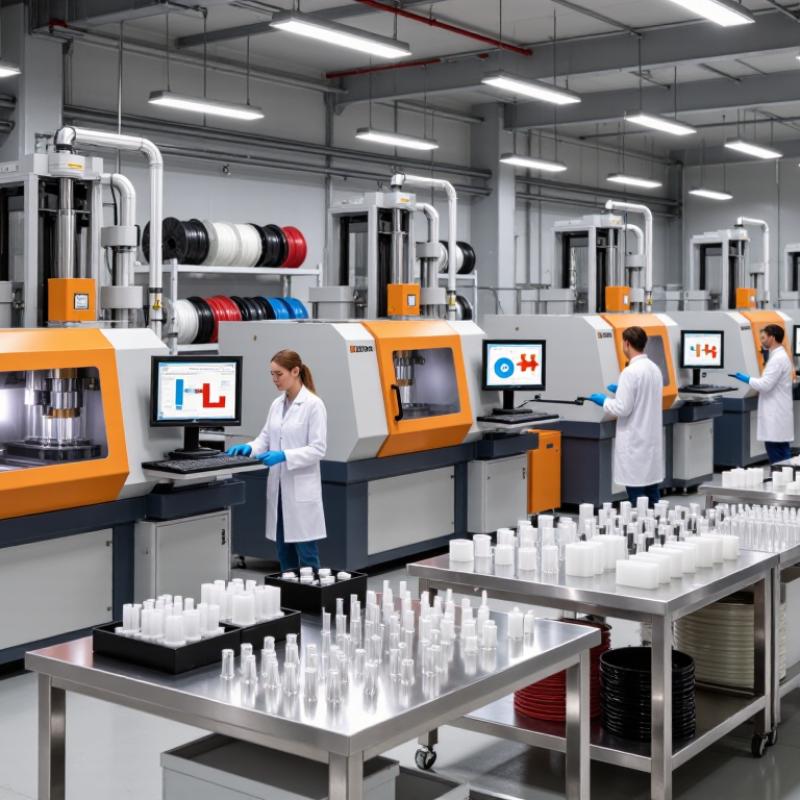
7 Best Small Run Plastic Injection Molding Companies

Understanding Small-Run Plastic Injection Molding

Small-run plastic injection molding makes sense when a design needs repeatable parts without committing to mass-production volumes. A mold shapes molten plastic under pressure, then cools it into a consistent component. Even a simple tool requires design, machining, and testing, so setup costs can outweigh the price of each part. Small runs are not automatically inexpensive. They are useful for pilot products, replacement components, and market tests where printed parts may not match molded material behavior.

The scale of the industry offers context, but not a small-run price guide. Grand View Research estimated the global injection-molded plastics market at USD 284.7 billion in 2023, reflecting broad demand across many sectors. That figure does not reveal what a short production run will cost. Ask for a quote that separates mold construction, resin, machine time, and inspection. Also confirm who owns the tool and how design changes affect it. A shallow rib may cool differently from a thick boss. That matters. Mold-flow analysis can flag some risks, but it cannot replace trial shots and measured parts. Small batches still need careful checks. One overlooked tolerance can turn a manageable trial into avoidable scrap.

Typical Molding Shrinkage Ranges for Common Plastics

Material shrinkage affects part dimensions and tooling design—a key consideration when planning a small production run.

Typical reference ranges only. Actual shrinkage depends on material grade, part geometry, processing conditions, and tooling; confirm values with the material supplier and molder.

Criteria for Evaluating Small-Run Molding Companies

7 Best Small Run Plastic Injection Molding Companies

Criteria for Evaluating Small-Run Molding Companies

For a small production run, compare more than the quoted part price. Ask how the company handles mold design, material selection, and setup costs. A low quote may exclude sampling or later adjustments. Request a clear breakdown before approving work. Check whether the team has made parts with similar wall thicknesses, surface finishes, and tolerances. Practical experience with comparable parts can reveal issues early. Ask to review a sample or inspection report.

Tips: Send a complete drawing and expected order quantity. Ask how many sample parts are included, what measurements will be checked, and how revisions affect cost and timing. Keep answers in writing. Small details matter.

Reliable communication is especially important when order quantities are limited. Confirm who will answer technical questions and how quickly problems are reported. Ask about production scheduling, material traceability, and inspection methods. For example, a company should be able to explain how it checks a thin rib or a hole that must align with another component. Compare lead times, but leave room for changes after sampling. No checklist removes every risk. I would still reserve time and budget for one unexpected adjustment. A careful evaluation can help identify a partner suited to the part, not just the initial quote.

Seven Small-Run Plastic Injection Molding Companies

Seven small-run injection molding companies can differ more in workflow than in machine size. A prototype-focused shop helps test fit and hand feel. A bridge-production supplier can make repeat batches while tooling is refined. A toolmaking-focused company may offer tighter control over mold changes. A regional molder can simplify sample reviews and shipping. A multi-material specialist makes parts with rigid and flexible sections. A quality-focused shop records measurements and process settings. A design-support provider can flag thin walls, sharp corners, or difficult gates before a mold is cut. These are provider profiles, not verified rankings, so confirm each shop’s capabilities directly.

Tips: Request a sample part, written tolerances, and expected tooling-change costs. Small runs need clear records. Check who owns the mold.

Compare quotes using the same resin, quantity, finish, and inspection requirements. A low unit price may hide setup fees or limited revision support. Ask how the shop handles color variation, warped parts, and rejected samples. Request realistic lead times for tooling and production. One detail is easy to miss: confirm whether the quoted quantity includes replacement parts. A short call with an engineer can reveal more than a polished quote.

Comparing Company Capabilities, Services, and Lead Times

Choosing among small-run plastic injection molding companies requires more than comparing quoted piece prices. Match each shop’s press tonnage, shot capacity, and resin experience to the part. A small housing may need little clamp force, yet thin ribs can demand careful process control. Ask whether mold design, sampling, trimming, and inspection happen in-house. These services can reduce handoffs, though they do not guarantee faster delivery.

Compare lead times in writing: request separate dates for design review, mold completion, first-article samples, and production shipment. Ask what could shift each date, such as tool revisions or resin availability.

Deloitte’s 2024 Smart Manufacturing and Operations Survey found that 86% of surveyed manufacturing executives viewed smart manufacturing as a competitiveness driver over the next five years.

For buyers, that makes digital scheduling and clear production updates useful questions—not proof of reliable delivery. That distinction matters. Check sample inspection reports, tolerance capability, and how the supplier handles a failed trial. A low quote can hide extra setup or outside finishing charges.

I would still challenge any unusually short promise; a neat timeline may omit revision time. Request a realistic schedule tied to your part drawings, order quantity, and approval process.

Choosing a Molding Partner for Your Project

Choosing a partner for a small plastic injection molding run means looking beyond the quoted price per part. Ask how the shop handles tooling, setup fees, and design changes. A low unit price can hide expensive revisions. Request a clear breakdown before approving the mold.

Discuss the part’s material, dimensions, and expected use with the engineer who will review the design. A thin rib, sharp corner, or uneven wall can affect filling and cooling. Ask what changes they recommend, and why. A capable partner should explain trade-offs in plain language, not promise that every feature will work unchanged. Ask to see a sample. Check fit, surface finish, and the areas that matter most in assembly.

For a short run, confirm how many parts the quote covers and what happens if early samples need adjustment. Ask how defects are recorded and how production dimensions are checked. A simple inspection report with measured values is more useful than a vague quality promise. Communication matters, too: agree on one contact and a realistic schedule. I have seen buyers focus so hard on speed that they overlook review time. That is easy to regret. A checklist helps, but it cannot replace a direct conversation about risks, responsibilities, and what the shop will do when the first trial is imperfect.

7 Best Small Run Plastic Injection Molding Companies - Choosing a Molding Partner for Your Project

Evaluation Area What to Compare Why It Matters for Small Runs Evidence to Request
Low-volume experience Experience with prototypes, pilot builds, and short production runs; minimum order requirements; flexibility on repeat orders. Small projects can have different setup and scheduling needs from high-volume production. Minimum quantities and pricing policies vary by supplier. A quote for your expected quantity, any minimum order quantity, and an example of a comparable project with confidential details removed.
Tooling approach Tool material, number of cavities, expected tool life, maintenance responsibility, and ownership terms. Tool design and construction affect upfront cost, production capacity, and the options available for future revisions. A written tooling scope, itemized tooling cost, ownership terms, and the proposed process for tool changes or repairs.
Material selection Availability and processing experience with the required resin, grade, color, and any specified additives. Material choice influences part performance and process requirements. Substitutions should be reviewed against the product specification. The proposed resin’s exact grade and technical data sheet, plus written approval before any material substitution.
Design for manufacturability Review of wall thickness, draft, ribs, bosses, parting lines, gate locations, and likely molding risks. Design feedback before tooling can help identify features that may affect filling, ejection, appearance, or dimensional consistency. A documented design review with recommended changes and the expected effect of each change on the part or tooling.
Schedule and production readiness Separate estimates for design review, tooling, sampling, approval, and production; capacity for the requested delivery window. Tooling, sampling, and approval are distinct steps, and actual lead times depend on project scope, supplier capacity, and revisions. A milestone-based schedule, stated assumptions, sample approval process, and a plan for communicating delays.
Quality controls Inspection methods, measurement equipment, acceptance criteria, traceability, and procedures for handling nonconforming parts. Clear requirements help ensure that parts are assessed consistently, including on projects where each production batch is limited. A sample inspection report, proposed control plan, and written agreement on critical dimensions and acceptance criteria.
Cost and future scalability Breakdown of part, tooling, setup, finishing, inspection, packaging, and shipping costs; options if demand increases. A transparent quote makes suppliers easier to compare. Tool and process choices can affect the path from a small run to larger quantities. An itemized quotation, pricing at more than one quantity where practical, and confirmation of how tooling and process changes would be handled.