
10 Best Small Run Plastic Injection Molding Companies
Choosing the right partner for small run plastic injection molding can feel surprisingly difficult. A polished website does not always reveal production discipline, tooling experience, or communication quality. This guide introduces ten companies that serve short-run and lower-volume injection molding needs across different industries.
The selection considers practical evidence, including material options, mold development, prototype support, quality controls, and quoted lead times. It also examines whether a supplier can handle design changes without creating unnecessary delays. A dependable molder should explain resin behavior, draft angles, wall thickness, parting lines, and expected tooling costs in clear language. Small details matter. A clean sample part, accurate dimensions, and consistent surface finish can prevent expensive rework later.
No company is perfect. Some may offer excellent engineering support but limited material choices. Others may provide competitive pricing while requiring more customer involvement. That limitation deserves attention. Company capabilities can change, and published information may not reflect current capacity. Readers should request recent case studies, sample parts, inspection reports, and detailed quotations before committing. Questions about minimum order quantities, mold ownership, maintenance, packaging, and delivery responsibilities can reveal important differences.
This overview is designed for product developers, purchasing teams, and entrepreneurs comparing realistic manufacturing options. It does not treat the lowest quote as the best value. Instead, it emphasizes experience, technical transparency, repeatability, and responsive service. Whether you need hundreds of parts or a controlled pilot batch, the right supplier should match your risk, schedule, and quality expectations.
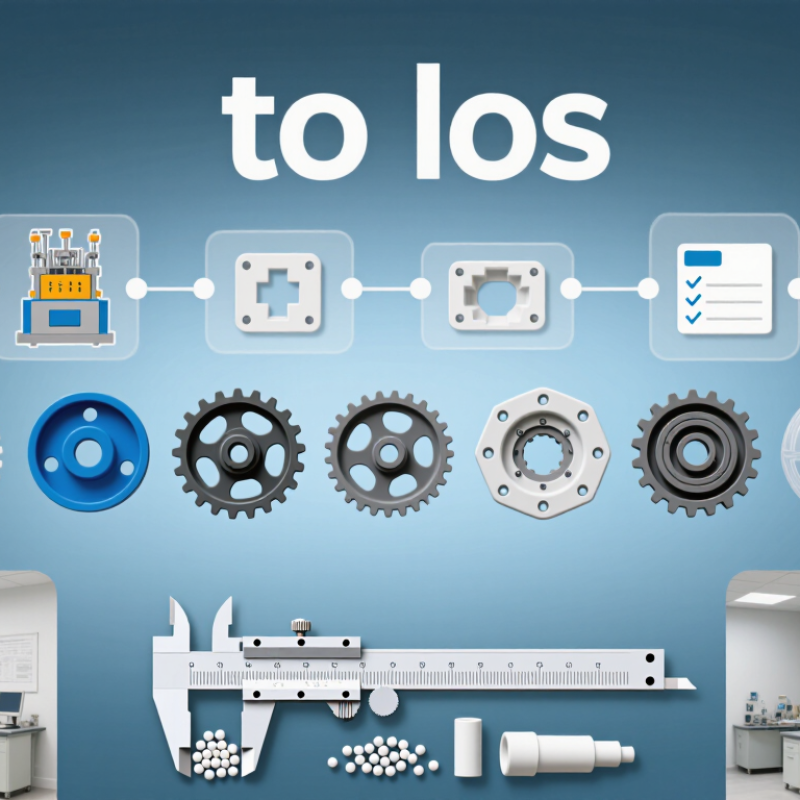
Table of Contents
[Hide]
What Defines a Small-Run Plastic Injection Molding Company
A small-run plastic injection molding company is defined by flexibility, not one fixed order quantity. In practice, it may produce several dozen to several thousand parts. The exact limit depends on tooling cost, material choice, mold complexity, and machine capacity. A small-run supplier usually supports prototype validation, pilot production, replacement parts, or short market tests.
Grand View Research reported that the global plastic injection molding market reached about USD 387.7 billion in 2023. This scale can hide an important reality: smaller projects face stricter cost pressure. A capable shop should explain its mold strategy, resin traceability, dimensional controls, and inspection method before quoting. The Plastics Industry Association has also reported that the United States plastics industry supports more than one million jobs. That broad workforce does not guarantee equal process discipline. A polished website proves little.
Real experience appears in small details. Ask how the supplier manages color changes, flash near parting lines, cooling-time variation, and late design revisions. Request sample inspection records, not only finished photographs. A reliable company will discuss tolerances honestly and identify features that may raise scrap rates. “Tight tolerance everywhere” sounds impressive, but it can be wasteful.
Tips: Compare total project cost, not mold price alone. Confirm sampling stages, revision charges, packaging, and production lead times. Keep a written material specification. One overlooked resin grade can change shrinkage, surface texture, and part strength.
A small-run partner should make uncertainty visible. That is often more valuable than a low initial quote.
10 Best Small Run Plastic Injection Molding Companies - What Defines a Small-Run Plastic Injection Molding Company
| Rank | Anonymous Supplier Profile | Typical Run Size | Tooling Approach | Common Materials | Typical Lead Time | Typical Tolerance | Part Size Focus | Quality Controls | Fit Score |
|---|---|---|---|---|---|---|---|---|---|
| 1 | Rapid Prototype and Bridge-Production Profile | 100–5,000 parts | Aluminum or soft-steel molds; interchangeable inserts | ABS PP PC PA | 2–4 weeks after design approval | Approximately ±0.10 mm for standard features | Small to medium parts up to approximately 250 mm | First-article inspection and dimensional reports | 95/100 |
| 2 | Engineering-Grade Low-Volume Profile | 500–10,000 parts | Pre-hardened steel tooling for repeated short runs | POM PA66 PBT TPU | 4–6 weeks after design approval | Approximately ±0.08 mm for controlled dimensions | Small functional and mechanical components | Material certificates, sampling plans, and CMM checks | 93/100 |
| 3 | Medical and Laboratory Component Profile | 250–8,000 parts | Validated tooling with documented mold-maintenance records | PC PEEK PP PPSU | 5–8 weeks, depending on validation scope | Approximately ±0.05–0.10 mm | Small precision housings and laboratory parts | Traceability, inspection records, and controlled documentation | 92/100 |
| 4 | Consumer Product Launch Profile | 1,000–25,000 parts | Aluminum production tooling optimized for fast iteration | ABS HIPS PP TPE | 3–5 weeks after final CAD approval | Approximately ±0.10–0.15 mm | Enclosures, covers, knobs, and consumer accessories | Visual inspection, color matching, and functional sampling | 90/100 |
| 5 | Automotive Prototype and Service-Part Profile | 100–3,000 parts | Soft tooling, bridge molds, and low-cavitation tools | PA6 POM PC/ABS TPV | 4–7 weeks after design release | Approximately ±0.10 mm for standard features | Clips, brackets, bezels, and interior components | Part approval samples and process-parameter records | 89/100 |
| 6 | Insert-Molding and Overmolding Profile | 500–15,000 parts | Multi-step tooling for metal inserts and soft-touch layers | TPU TPE PA PC | 5–8 weeks, depending on assembly complexity | Approximately ±0.10–0.20 mm | Handles, grips, connectors, and hybrid assemblies | Insert-position checks, bond testing, and visual inspection | 88/100 |
| 7 | Electronics Enclosure Profile | 500–20,000 parts | Prototype steel or aluminum molds with texture-ready surfaces | PC/ABS ABS PBT UL-rated resins | 4–6 weeks after tooling confirmation | Approximately ±0.10–0.15 mm | Small housings, covers, bezels, and cable-management parts | Fit testing, surface inspection, and material verification | 87/100 |
| 8 | Micro-Part and Precision-Feature Profile | 1,000–50,000 parts | High-precision steel molds with small gates and fine venting | POM LCP PA PPS | 6–10 weeks, depending on feature density | Approximately ±0.03–0.08 mm | Small clips, gears, connectors, and precision mechanisms | Optical measurement, sampling inspection, and cavity tracking | 86/100 |
| 9 | Decorative and Surface-Finish Profile | 500–12,000 parts | Texture-capable tooling with polish, grain, or gloss finishing | ABS PC PP PMMA | 4–7 weeks after surface approval | Approximately ±0.15 mm for cosmetic components | Visible panels, trim pieces, covers, and product shells | Color, gloss, texture, weld-line, and sink-mark inspection | 84/100 |
| 10 | Cost-Optimized General-Purpose Profile | 1,000–30,000 parts | Standard aluminum or pre-hardened steel tooling | PP PE ABS Nylon | 3–6 weeks after design approval | Approximately ±0.15–0.25 mm | Simple housings, brackets, covers, and utility parts | Basic dimensional inspection and production sampling | 82/100 |
Evaluation criteria include low-volume suitability, tooling flexibility, material range, lead time, dimensional control, inspection practices, and ability to support product development from prototype through small-batch production.
Related Posts
-
7 Best Small Run Plastic Injection Molding Companies
-
2025 How to Effectively Use Injection Molding for Small Parts Production
-
What is low quantity injection molding and its benefits?
-

5 Essential Tips for Sourcing Small Run Plastic Injection Molding: A Global Buyer’s Guide
-

Exploring Cost Efficiency in Low Cost Injection Molding at 2025 China Import and Export Fair
-
How to Make a 3D Printed Injection Mold in 2026?