Choosing an injection molding mold manufacturer is not a simple price comparison. Tool design affects cycle time, part consistency, maintenance needs, and delivery risk. For global buyers, supplier selection also means checking engineering support, communication, quality systems, and experience with the intended resin and production volume.
The market is substantial, but one figure needs context. Grand View Research valued the global injection molding market at approximately USD 287.7 billion in 2023 and projected growth through 2030. That estimate covers injection molding broadly; it is not a measure of mold sales alone. Still, it signals the scale of the manufacturing ecosystem that mold makers serve. John Bozzelli, a recognized scientific-molding specialist, has emphasized in his published guidance that consistent parts depend on controlling the process, rather than relying on trial and error. A good tool must work with that process. Not just look polished.
This guide compares leading injection molding mold manufacturers for buyers sourcing across borders. It focuses on practical criteria: tooling capabilities, material and application experience, quality assurance, lead times, after-sales service, and support for mold trials. Ask for evidence, not only promises. A detailed design review, clear maintenance plan, and realistic timeline can reveal more than a low quotation. Even then, no shortlist removes every risk. Supplier claims deserve careful checking.
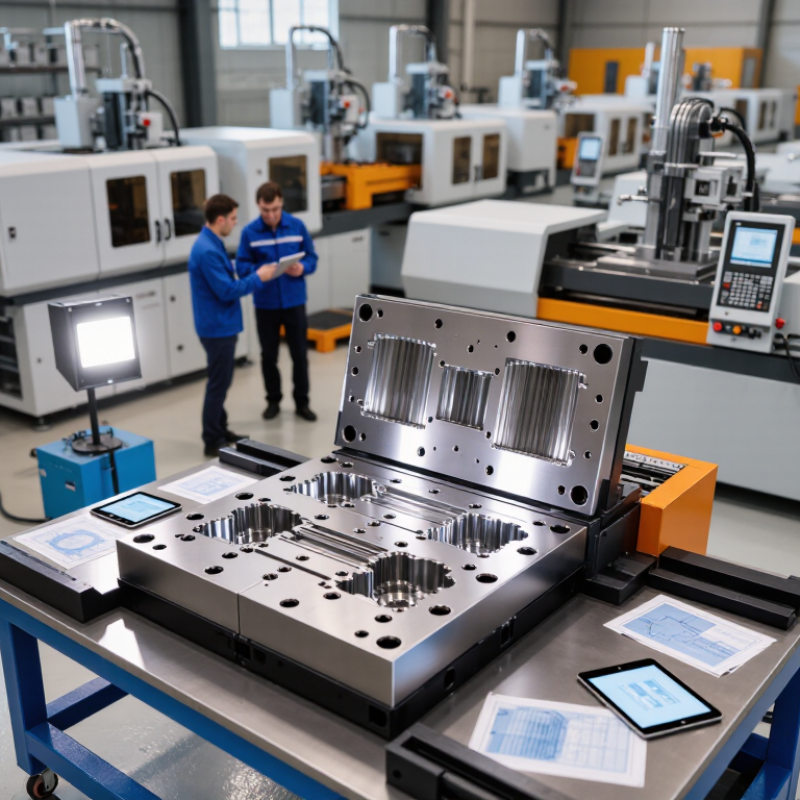
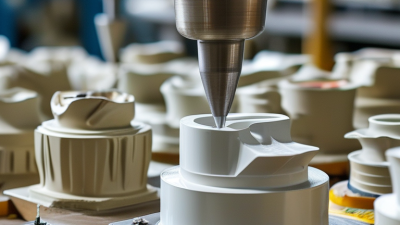
Injection molds are precision tools that give plastic parts their shape, surface finish, and dimensions. A mold usually contains two halves, a cavity, and channels that carry molten material. After the material cools, ejector pins help release the finished part. The cycle repeats, often thousands of times.
Small details matter.
Cooling channels influence cycle time and can affect warping. Venting lets trapped air escape, while gates control how material enters the cavity. If these features are poorly placed, parts may show sink marks, short fills, or uneven surfaces.
A smooth-looking sample is not enough; dimensions and performance need checking under real production conditions.
In global manufacturing, molds connect product design with repeatable production across facilities. Their construction, maintenance needs, and compatibility with available machines can affect cost and delivery schedules. Buyers should review trial results, material specifications, expected tool life, and plans for spare parts.
Clear documentation helps teams address issues across language and time-zone differences. Still, estimates can be optimistic: actual mold life depends on materials, operating conditions, and maintenance.
That uncertainty deserves honest discussion before production begins.
A capable mold manufacturer should explain how its design choices affect cycle time, part quality, and maintenance. Ask for a design review before steel cutting. Look for specific checks on wall thickness, draft angles, cooling channels, and likely weld-line locations. Ask for proof. A clear drawing review is more useful than a confident sales promise.
Evaluate machining and inspection processes, not just equipment lists. Ask how the supplier measures critical dimensions and records results. For a tight-tolerance feature, request sample inspection data and clarify how measurement tools are calibrated. Confirm what mold trials include: resin, press conditions, sample quantities, and the way defects are documented. Small details matter. A good trial report should connect observed issues to practical adjustments.
Communication and after-sales support deserve equal weight. Establish who approves design changes, how progress is reported, and how spare inserts or maintenance instructions are handled. Ask to speak with a technical contact, not only a salesperson. Compare quotations carefully; a low initial price may exclude testing or spare parts. No checklist catches everything, and even a strong supplier can miss a detail. Review the first samples closely, and leave room for honest discussion when results differ from expectations.
Global buyers often compare mold manufacturers by region, but capability matters more than a map pin. East Asian production hubs may offer extensive machining networks and capacity for larger production runs. Central European suppliers can be a good fit for close engineering collaboration and detailed process documentation. North American shops may simplify local trials, design changes, and communication. These are broad patterns, not guarantees; factory capabilities vary.
Review the actual toolroom, not just its equipment list. Ask how the supplier measures critical dimensions, checks cooling channels, and records trial results. A capable team can explain its steel selection, machining plan, and maintenance expectations in plain language. Request sample inspection records and a clear timeline for design reviews. A low quote can look attractive, but unclear revisions or shipping terms may add cost later. That matters.
Tips: Share a 3D model, annual volume, resin type, and tolerance requirements before requesting a quote. Ask who will handle engineering changes and how quickly trial feedback is returned. Compare evidence, not promises. A supplier may still miss a detail, so document decisions and confirm them before cutting steel.
| Manufacturing region | Common supplier capabilities | Typical tooling focus | Buyer considerations | Often suitable for |
|---|---|---|---|---|
| China | Broad supplier base covering mold design, machining, mold trials, and production support; capabilities vary substantially by supplier and facility. | Custom production molds, multi-cavity tools, family molds, and tooling for consumer, industrial, and automotive components. | Confirm mold specifications, steel and component standards, inspection records, trial plans, intellectual-property protections, and export logistics. | Buyers comparing a wide range of tooling scopes, production volumes, and cost structures. |
| Japan | Established precision manufacturing sector with expertise in tooling, machining, and process control. | Precision molds and tools for applications requiring dimensional consistency and carefully controlled molding processes. | Review project lead times, communication requirements, design-change procedures, and the supplier’s experience with the target resin and part. | Projects where repeatability, engineering coordination, and consistent quality are key priorities. |
| South Korea | Industrial suppliers support sectors including automotive, electronics, and consumer products; individual mold shops differ in scale and specialization. | Production tooling for detailed plastic components and programs that require coordination between moldmaking and molding operations. | Check capacity, validation documentation, maintenance support, and experience with the required production process. | Buyers seeking regional manufacturing options for electronics, automotive, and consumer-product supply chains. |
| Germany and Central Europe | Engineering and moldmaking suppliers serve automotive, medical, packaging, and industrial markets, with capabilities varying across countries and facilities. | Engineered production molds, complex tooling, and molds developed to meet defined technical and quality requirements. | Clarify applicable quality-system requirements, documentation, automation interfaces, service coverage, and total landed cost. | Programs that benefit from close engineering collaboration and access to European manufacturing networks. |
| United States and Mexico | North American suppliers provide mold design, toolmaking, repair, and production support; cross-border supply chains are common in some industries. | Production and replacement tooling for automotive, medical, packaging, and industrial applications. | Assess local service access, mold-transfer requirements, customs and logistics arrangements, and the supplier’s ability to support production after launch. | Buyers prioritizing regional support, shorter communication loops, or proximity to North American production facilities. |
| India | A growing manufacturing base supports tooling and plastic-component supply across domestic and export markets; capabilities differ by supplier. | Custom molds and production tooling for automotive, electrical, consumer, and industrial components. | Verify design-for-manufacture capability, measurement methods, mold-trial documentation, delivery planning, and after-sales support. | Buyers evaluating additional sourcing options and suppliers serving Indian or international production programs. |
Regional descriptions are general industry observations, not rankings or guarantees. Supplier capability depends on the specific facility, project requirements, materials, mold design, and production validation.
Tooling quality is more than a polished mold surface. Ask how the manufacturer controls steel selection, machining tolerances, cooling channels, and mold alignment. A sample part can reveal flash, sink marks, or uneven wall thickness that a quotation cannot. Request inspection records and, where possible, measurements from a recent production run. Small details matter.
Production services also shape the real cost of a project. Confirm whether the supplier supports mold trials, design changes, maintenance, and stable repeat production. A clear schedule should identify trial dates, approval steps, and who handles corrective work. Be cautious when every delivery estimate sounds effortless. Complex geometries and late design changes can move a launch date, even with a capable team.
Technical expertise shows in the questions a manufacturer asks. Experienced engineers may flag draft angles, parting lines, gate placement, or material shrinkage before cutting steel. Ask how they validate those choices, and request a short explanation of the proposed process. Compare answers, not just hourly rates. A confident answer is useful, but evidence is better. No supplier eliminates every risk; what matters is whether problems are documented, discussed, and corrected with care.
International buyers need more than a competitive mold price. They need a supplier who can communicate clearly, protect production schedules, and support changes over time. Ask how the team handles design reviews, mold trials, and corrective work. Request sample inspection records and a realistic timeline that includes shipping, customs clearance, and setup at your facility. A polished quotation can still leave important gaps.
Check the details that affect daily production. Confirm the expected mold life, maintenance plan, spare-part availability, and ownership of technical files. Discuss who approves changes to steel, cooling channels, or cavity layout. If possible, review a recent trial report with measurements and photos of molded parts. Small details matter: a few seconds of cycle time can add up across thousands of units. No supplier is perfect, and vague answers deserve a follow-up.
Tips: Share your target material, annual volume, and quality limits before requesting a quote. Use a written approval checklist for samples and milestones. Keep one contact responsible for decisions; scattered feedback can delay a tool. Also, leave room in the schedule for one unexpected revision.